
Beyond Wealth—The Fathers Who Are Redefining Legacy
For decades, Nigeria has celebrated wealth, enterprise and the extraordinary achievements of its richest men. We have applauded their business empires, marvelled at their investments, recognized their contributions to economic growth and documented their rise to the pinnacle of success. Their fortunes have inspired ambition, their enterprises have created opportunities, and their names have become synonymous with power, influence and achievement.

Yet, beyond the boardrooms, corporate milestones and public acclaim lies a more intimate dimension of their lives that deserves equal recognition: the kind of husbands and fathers they are, the relationships they nurture at home, and the values they are passing on to the next generation.
Can a man build a business empire worth billion and still remain a loving, attentive and dependable father? Can he command the respect of an entire industry while nurturing a family bound together by affection, mutual respect, unity and shared values? Can the measure of his success extend beyond the fortune he accumulates to the quality of the relationships he sustains with his wife and children?
These are the questions at the heart of this special tribute edition of The Top10 Magazine, titled “UNIQUE FATHERHOOD: NIGERIA’S TOP 10 MOST EXEMPLARY BILLIONAIRE FATHERS REDEFINING FAMILY VALUES.”
This publication represents a deliberate shift in the way we celebrate greatness. Rather than focusing exclusively on the fortunes these remarkable men have amassed, we turn the spotlight towards the families they cherish, the bonds they sustain, the love they express and the enduring values that define their roles as fathers. It is a celebration of men who demonstrate that extraordinary professional success and meaningful family relationships need not be mutually exclusive.

Among the distinguished personalities featured in this edition are celebrated Nigerian business leaders and patriarchs, including Femi Otedola, Aliko Dangote, Tony Elumelu, Abdulsamad Rabiu, Mike Adenuga, Dr. Deji Adeleke, Chief Oba Otudeko, Chief Michael Ade Ojo and Rochas Okorocha. Their individual journeys, achievements and family experiences provide an opportunity to explore the many dimensions of fatherhood among men whose professional responsibilities often extend across industries, continents and generations.
What makes this celebration particularly significant is the understanding that fatherhood is not defined by how much a man provides, but also by how deeply he connects, how consistently he cares and how positively he influences the lives of his loved ones. Financial security is an important expression of parental responsibility, but it cannot replace affection, guidance, companionship, emotional support and the simple reassurance that a child is loved.
For a father, success is not merely about securing his children’s future; it is also about being meaningfully present in their lives. It is about creating a home where children feel heard, where their individuality is respected, where their achievements are celebrated, and where disagreements do not destroy the bonds that hold the family together. It is about honouring one’s wife, providing a worthy example of partnership and respect, and ensuring that the values communicated through words are reinforced through everyday conduct.
The fathers celebrated in this edition represent different generations, business interests, personal histories and approaches to family life. Their stories offer an opportunity to appreciate the importance of family unity, intergenerational mentorship, mutual respect and the conscious transmission of values. Whether through publicly expressed affection, close relationships with their children, family business partnerships, commitment to family traditions or the preservation of a shared family legacy, their experiences illuminate the significance of fatherhood beyond material inheritance.
For these men, the enduring question is not simply what their children will inherit, but what they will remember. Will they remember a father who provided everything money could buy but was rarely available, or one who made them feel secure, understood, encouraged and loved? Will they inherit only businesses, properties and financial assets, or will they also carry forward lessons in discipline, integrity, compassion, hard work and responsibility?

These questions are particularly relevant in contemporary Nigeria, where economic pressures, demanding careers and changing social expectations continue to reshape family life. The example of accomplished fathers who recognise the importance of nurturing relationships alongside building businesses offers an important message to younger men: ambition need not come at the expense of affection, and the pursuit of prosperity should not diminish the responsibilities of husbandhood and fatherhood.
This special edition is, therefore, more than a tribute to wealthy men. It is an affirmation of responsible fatherhood and a celebration of the family values that sustain individuals, strengthen households and contribute to a healthier society. By chronicling the inspiring fatherhood journeys of these distinguished personalities, The Top10 Magazine hopes to provide a reference point for men who aspire to combine professional excellence with love, care, mentorship and responsible parenting.
Our intention is not to suggest that wealth automatically makes a man an exemplary father, or that celebrated families are without their private challenges. Rather, it is to recognise the publicly celebrated family bonds and positive examples associated with these personalities, while drawing attention to a fundamental truth: the greatest measure of a father’s influence is not confined to the wealth he accumulates, but extends to the lives he touches, the character he helps shape and the relationships he leaves stronger.
After all, fortunes can fluctuate, businesses can change hands, and public recognition can fade. But the memories of a father’s kindness, the lessons he imparts, the confidence he inspires in his children and the love he shares with his wife can endure across generations.
As we celebrate these ten most admired billionaire fathers, we celebrate the possibility of building great enterprises without neglecting the family; of creating wealth without losing sight of human connection; and of leaving behind a legacy that is measured not only in financial assets, but also in love, unity, character and shared values.
Because the ultimate legacy of a great father is not merely the fortune he leaves behind, but the family he nurtures, the values he instills and the love that continues to unite his children long after he is gone.

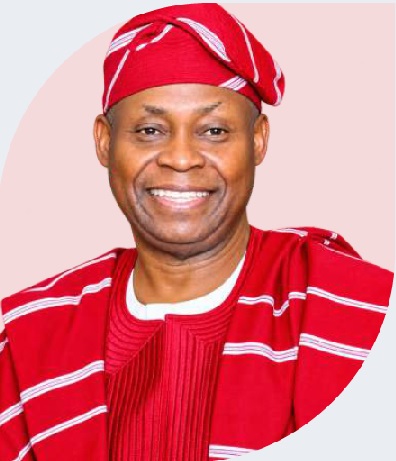
DR. DEJI ADELEKE
The Patriarch of The Adeleke Dynasty
The Quiet Billionaire Who Holds Nigeria’s Most Powerful Family Together with Faith, Love and Unity.
In Nigeria, there are rich families. And then there is the Adeleke Dynasty. A dynasty that has produced a billionaire industrialist, a two-time Governor, a Senator, a global music icon, university professors, and philanthropists. A family whose name commands respect from Ede to Osogbo to Lagos to Atlanta. And at the very heart of this dynasty, holding it together like a quiet, steady pillar, is Dr. Deji Adeleke. He is not just a father to his own children. He is a father to the Adeleke name. He is the Patriarch. The Unifier. The Custodian.
THE CUSTODIAN OF A LEGENDARY NAME
The Adeleke dynasty was built by Deji’s late father, Chief Ayoola Adeleke, but it was preserved and expanded by Dr. Deji Adeleke. When his elder brother, the late Senator Isiaka Adeleke (Serubawon) passed on, Dr. Deji did not just mourn a brother, he stepped in as a father to his brother’s children. He ensured they never lacked, that they were educated, that the Adeleke political legacy continued. He supported his younger brother, now Governor Ademola Adeleke, with unwavering loyalty and resources, standing solidly behind him without seeking any political position himself. That is dynasty love – when your brother’s children become your children. Today, whether it is a family wedding, a burial, a political campaign, or a thanksgiving service, Dr. Deji Adeleke is the one who is called first. He is the one who provides, who prays, who pays, who unites.
A FATHER TO THE NEXT GENERATION
Dr. Adeleke’s unique fatherhood extends to over 50 children and grandchildren in the Adeleke dynasty. He knows every child by name. He knows who is in primary school, who is in university in America, who just graduated, who needs a job. He created an Adeleke Family Education Fund that has sponsored the education of not just his biological children, but dozens of cousins, nephews, nieces and children of loyal family staff. He believes an educated Adeleke is an asset to the dynasty. At Christmas, his home in Ede is not a house, it is a village. Over 200 family members gather. He feeds them, prays for them, and gives each family unit an envelope. No one leaves his house without being blessed.
THE SPIRITUAL FATHER OF THE DYNASTY
What makes Dr. Deji unique is that he is the spiritual head of the Adeleke family. Every morning, by 6.00 am, he sends a prayer and Bible verse to the official Adeleke Family Platform. Every Saturday, he ensures all family members who are in Nigeria observe the Sabbath. He built a family chapel in his Ede mansion where the family gathers for thanksgiving. When any Adeleke faces a challenge – whether it is sickness, court case, or business trouble – Dr. Deji is the one who calls for a family fast and prayer. He leads it himself. He taught the dynasty that money can build houses, but only God and unity can build a home that lasts 100 years.
THE HUMBLE BILLIONAIRE WHO PUT FAMILY BEFORE FAME
Dr. Deji Adeleke could have been Governor. He could have been Senate President. He has the money, the network, and the dynasty backing. But he chose a different role: The Man Behind The Dynasty. He chose to be the one who funds, who supports, who prays, who stays behind the scenes while his younger brother governs Osun State and his son shines on global stages. He finds joy not in personal titles, but in seeing the Adeleke name excel in every field – in business, politics, music, and philanthropy. That is the highest form of fatherhood – when you are happy to let your dynasty shine while you hold the ladder.
3 DYNASTY PRINCIPLES OF DR. DEJI ADELEKE
1. No Adeleke Must Be Left Behind: Whether you are a direct son or a distant cousin, if you bear the name Adeleke or you are connected to it, you are family. He has a policy: No Adeleke child should be uneducated or unemployed if he can help it.
2. Loyalty to Blood is Supreme: He taught the family that politics will come and go, business will have ups and downs, but blood is forever. That is why the Adeleke family never publicly fights. Disagreements are settled inside the family house, not on social media.
3. Wealth Must Build People, Not Just Mansions: His greatest investment is not Pacific Holdings, it is people. He built Adeleke University not for profit, but as a factory to build human capital for the dynasty and for Nigeria. Over 5,000 students have graduated, many on his personal scholarship.
A LEGACY OF A TRUE PATRIARCH
Years from now, when history is written, Dr. Deji Adeleke will not just be remembered as the billionaire who owned power plants. He will be remembered as the Patriarch who kept the Adeleke Dynasty united, Godly, and prosperous. The man who proved that the greatest achievement of a rich man is not his bank account, but his ability to keep his entire family as one. He is a father to a family, a dynasty, and a generation.
That is Unique Fatherhood. That is The Adeleke Way.
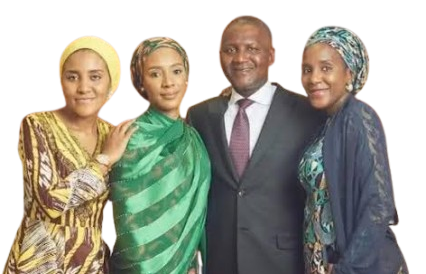
ALIKO DANGOTE: AFRICA’S RICHEST GIRL-DAD
HOW AFRICA’S RICHEST MAN IS BUILDING HIS LEGACY THROUGH THE COMPETENCE, CHARACTER AND LEADERSHIP OF HIS THREE DAUGHTERS.
“I don’t think a son would have done better than my three daughters.”
In a society where the birth of a male child is still regarded in some quarters as the ultimate assurance of family continuity, Alhaji Aliko Dangote, Africa’s foremost industrialist, has offered a refreshing perspective on fatherhood, inheritance and the meaning of legacy. Through his relationship with his three daughters—Mariya, Halima and Fatima—he has demonstrated that the true measure of a father’s success is not determined by the gender of his children, but by the values he instils in them and their capacity to carry his legacy forward.
On September 15, 2026, during an interview with Arise News journalist, Oji Okpe, Dangote was asked whether he still hoped to have a son, given the traditional expectation in Kano society that a male heir should carry on the family name. His response was both remarkable and revealing.
“That is not my priority because God controls everything. You can pray for God to give you a son, but he might be the one to take down the name of the family. Sometimes, when God doesn’t give you something, don’t push,” he declared.
He then delivered the statement that captured the essence of his philosophy: “I don’t think a son would have done better than the three daughters that I have.”
Coming from a man whose business empire spans cement, sugar, fertiliser, petroleum refining and other strategic sectors, this was more than a personal declaration. It was a powerful affirmation of the worth, competence and leadership potential of daughters in a society where male inheritance remains a deeply rooted expectation.
For Dangote, fatherhood is not about producing heirs to inherit wealth; it is about raising capable, responsible individuals who can preserve family values, sustain achievements and make meaningful contributions to society.
RAISING DAUGHTERS TO BECOME LEADERS
Dangote’s confidence in his daughters is reflected in the responsibilities they have assumed within the family’s business and philanthropic interests.
Mariya Dangote has been involved in the operational and strategic direction of the family enterprise, including executive responsibilities at Dangote Sugar Refinery and board-level involvement at Dangote Cement Plc. Her professional exposure reflects the importance of preparing the next generation with the experience and judgement required to manage a complex industrial organisation.
Halima Dangote represents another dimension of the family’s legacy through her involvement in the Aliko Dangote Foundation, family investments and the establishment of the Dangote Family Office in Dubai. Her responsibilities underscore the importance of combining wealth management with philanthropy and social responsibility.
Fatima Dangote has also been associated with the group’s commercial operations, including strategic interests in its petroleum refining and fertiliser businesses. Her involvement highlights the family’s approach to exposing its daughters to important commercial responsibilities.
Together, the three women represent different aspects of the family’s interests—industrial operations, investment, philanthropy and commercial leadership.
Their emergence in positions of responsibility reinforces their father’s conviction that daughters are equally capable of sustaining family enterprises and carrying forward important legacies when given the right opportunities, preparation and encouragement.
BUILDING CHARACTER, NOT JUST INHERITANCE
One of the most remarkable aspects of Dangote’s fatherhood is his emphasis on preparation rather than passive inheritance.
For him, providing children with financial security is not enough. They must also acquire the knowledge, discipline, experience and sense of responsibility required to manage opportunities and resources effectively.
Despite their privileged background, his daughters have been associated with a family upbringing that emphasises humility, hard work and the need to earn professional credibility rather than rely solely on their surname.
This approach sends an important message to parents, particularly those blessed with considerable wealth and influence: children should not merely inherit the rewards of their parents’ labour; they should be equipped with the competence and character to sustain and improve upon them.
It also demonstrates that privilege should come with responsibility, while financial provision must be complemented by moral guidance, discipline and proper upbringing.
In this regard, Dangote’s understanding of fatherhood goes beyond securing his children’s future. It involves preparing them to become independent-minded adults, responsible leaders and worthy custodians of the family legacy.
THE HUMAN SIDE OF A BILLIONAIRE FATHER
Beyond his industrial achievements and the remarkable business empire he has built is a father who has openly acknowledged the personal sacrifices associated with his entrepreneurial journey.
At an event associated with the Nigerian Exchange (NGX), Dangote expressed gratitude to his daughters for the sacrifices they made during the years he devoted much of his time to building his businesses.
He acknowledged that the demands of his work deprived him of opportunities to spend more time with his family and expressed appreciation that his daughters had forgiven him for those absences.
This admission provides an important human dimension to his story. It reveals a father conscious that professional success does not automatically translate into perfection at home.
His willingness to acknowledge the sacrifices of his children and appreciate their understanding reflects an important quality of exemplary fatherhood: humility. It demonstrates that even the most successful fathers must recognise the emotional needs of their families, value their children’s patience and make room for reconciliation and stronger relationships.
It is a reminder that children are not merely beneficiaries of their parents’ wealth and achievements; they also deserve their time, affection, attention and appreciation.
A LEGACY BUILT ON LOVE, CONFIDENCE AND VALUES
Dangote’s approach to fatherhood also challenges the traditional limitations often placed on women in business, leadership and family succession.
By expressing confidence in his daughters and supporting their development into positions of responsibility, he has demonstrated that leadership should be determined by competence, character and commitment rather than gender.
His example is particularly instructive for Nigerian fathers who still believe that only sons can preserve family names, inherit businesses or sustain family legacies.
Through his daughters, Dangote has shown that the greatest inheritance a father can leave behind is not necessarily a fortune, but children equipped with the values, confidence and ability to use that fortune responsibly.
The philanthropic dimension of his legacy further broadens this philosophy. Through the Aliko Dangote Foundation, the family has established a platform for social investment and charitable interventions. Halima’s involvement highlights the importance of preparing the next generation to understand that wealth also carries responsibilities to society.
This reinforces another important lesson of responsible parenting: children must be taught not only how to succeed, but also how to give back and make a positive difference in the lives of others.
BEYOND THE EMPIRE: THE TRUE MEASURE OF FATHERHOOD
Aliko Dangote may be celebrated for building one of Africa’s most influential industrial empires, but his relationship with his daughters offers another compelling dimension of his legacy.
He has publicly affirmed their worth, expressed confidence in their capabilities and supported their preparation for positions of responsibility. More importantly, he has challenged the belief that a family’s future must depend on having a male heir.
His story offers three enduring lessons about exemplary fatherhood: children must be valued for who they are, irrespective of gender; love must be accompanied by proper upbringing and preparation; and privilege must be balanced with humility, discipline and accountability.
Ultimately, the success of his approach will be measured by how effectively the next generation sustains the family’s achievements and upholds its values. Nevertheless, the principles underpinning his parenting philosophy are already instructive.
For a man whose name is synonymous with industrial ambition, his greatest personal legacy may well be the daughters he has raised to believe in their abilities, embrace responsibility and confidently take their place in the world.
That is the uniqueness of Dangote’s fatherhood: he has not merely provided for his daughters; he has believed in them, prepared them, trusted them with responsibility and celebrated their capacity to carry his legacy forward.
In redefining exemplary fatherhood, Aliko Dangote reminds Nigerian fathers that the greatest measure of parenting success is not the wealth accumulated for one’s children, but the quality of individuals they become. An empire may be built through capital, vision and hard work, but a lasting family legacy is built through love, sacrifice, trust and values.

FEMI OTEDOLA
The Billionaire Dad Who Taught Nigeria How to Love Loudly
How one of Nigeria’s most successful businessmen is redefining fatherhood through unwavering family support, public displays of affection, personal sacrifices and a legacy that extends far beyond wealth.
When Femi Otedola walks into a room, many see a billionaire businessman whose name is associated with remarkable corporate achievements and investments. But to his children, he is first and foremost Daddy—a proud and affectionate father who celebrates their individuality, supports their ambitions and makes little effort to conceal how much they mean to him.
In a society where some fathers express love primarily through providing for their families, Otedola stands out as an example of a father who combines material provision with emotional connection. He celebrates his children publicly, shows up for their important moments, encourages their professional pursuits and finds joy in the everyday experiences that strengthen family bonds.
From cheering his daughters on in their creative careers to sharing intimate moments with his only son, Fewa, Otedola demonstrates that exemplary fatherhood goes beyond securing a family’s financial future. It is equally about being present, offering encouragement, creating cherished memories and making every child feel valued.
His story is therefore not simply that of a billionaire who provides generously for his family, but of a father whose understanding of success embraces his wife, Nana, and their four children—Tolani, Florence Ifeoluwa (DJ Cuppy), Temioluwa and Fewa.

FATHERHOOD BEYOND THE BILLIONS
Otedola’s business career has taken him through the oil and gas industry, power generation and other major investment ventures. Yet, beyond the boardroom and business headlines lies another important dimension of his life: his devotion to his family.
His four children have pursued different interests. Tolani has established herself in music, DJ Cuppy has built a career as a DJ, music producer and philanthropist, while Temi has explored acting and fashion. Fewa, their only son, occupies a special place in the family.
Their different paths reveal an important aspect of Otedola’s parenting philosophy: encouraging individuality rather than imposing expectations. He has consistently demonstrated interest in his children’s aspirations, attending professional engagements, visiting them at work and celebrating their personal milestones.
Such gestures communicate an important message: children need more than financial security; they need parents who take a genuine interest in who they are becoming.
NANA OTEDOLA: THE WOMAN BEHIND THE FAMILY FOUNDATION
No account of Otedola’s family life would be complete without acknowledging his wife, Nana Otedola, an entrepreneur and founder of Garment Care.
While Femi pursued a demanding business career, Nana played a central role in the day-to-day upbringing of their children, providing stability, nurturing and guidance as they grew.
Otedola has publicly acknowledged his wife’s sacrifices and contributions, particularly during the emotional celebration of their daughter Temi’s wedding to Nigerian singer Mr Eazi. His tribute to Nana highlighted the shared commitment and years of sacrifice behind the family they built together.
This is another important dimension of exemplary fatherhood: recognising and appreciating the contributions of one’s spouse. Raising children is not merely a financial responsibility; it requires partnership, patience, shared commitment and love.
A FATHER WHO SHOWS UP FOR HIS CHILDREN
One of the most remarkable features of Otedola’s fatherhood is his willingness to show up for his children’s important moments, regardless of his demanding professional schedule.
In October 2017, he attended a musical showcase organised by his daughter Tolani at Terra Kulture, Lagos, demonstrating his support for her artistic ambitions. His presence was a clear indication that he valued her personal journey and was interested in her progress.
His relationship with DJ Cuppy also reveals how parents can inspire and support their children’s ambitions. One memorable account was Cuppy’s childhood observation that her father appeared to sleep in the morning because he lived on passive income. The innocent remark reportedly made Otedola reflect on his entrepreneurial drive.
He has equally supported Cuppy’s philanthropic interests. In November 2019, during a fundraising dinner organised by The Cuppy Foundation to support vulnerable children in northeastern Nigeria, Otedola pledged ₦5 billion towards the initiative. This demonstrated how parental encouragement can extend beyond words to helping children translate their convictions into meaningful action.
Cuppy has also publicly acknowledged her father’s hard work and generosity, recognising the opportunities his years of sacrifice made possible for her.
For Temi, Otedola’s affection has been expressed through thoughtful gestures and personal attention. In January 2020, he and Nana surprised her on the set of Citation, the film directed by Kunle Afolayan. Another widely reported gesture was his two-hour drive during the London lockdown to check on her.
These experiences illustrate that parental care does not end when children become adults. Rather, it evolves, allowing them to pursue independence while preserving the emotional connection with their parents.
Temi’s wedding to Mr Eazi marked another significant family milestone, providing Otedola an opportunity to celebrate his daughter and publicly appreciate Nana for their shared journey of raising their children.
FEWA: THE AFFECTIONATE FATHER BEHIND THE PUBLIC IMAGE
Although his daughters’ careers naturally attract considerable public attention, Otedola has equally demonstrated affection for his only son, Fewa.
In September 2020, he shared a video of himself and Fewa cooking together in the kitchen. Away from the glamour of the family’s lifestyle, the moment offered a simple but powerful illustration of father-son bonding.
On Fewa’s 21st birthday in June 2021, he also celebrated him with an affectionate message: “Happy birthday, Fewa. Papa loves you.”
These seemingly ordinary moments reveal an essential truth about parenting: family relationships are strengthened not only through expensive gifts and grand celebrations, but also through shared activities, personal attention and expressions of love.
They also reinforce the importance of making every child feel seen, cherished and appreciated.
GENEROSITY AS A LANGUAGE OF LOVE
In September 2020, Otedola made headlines when he bought Ferrari Portofino sports cars for his three daughters. The extravagant gifts attracted widespread attention and became a symbol of his generosity.
However, the deeper significance of the gesture lies in his enthusiasm for celebrating his children and sharing their moments of happiness.
Of course, exemplary fatherhood cannot be measured by the value of gifts. Most parents cannot afford such luxuries, and financial generosity alone cannot guarantee emotional closeness.
The important lesson is the intention behind the gesture: parents should find meaningful ways to celebrate their children, recognise their achievements and communicate affection. For some, it may be an expensive gift; for others, it may simply be attending a school event, offering encouragement or making time to listen.
What matters is not the price tag, but the love and thoughtfulness behind it.
THE OTEDOLA FAMILY VALUES: LESSONS IN EXEMPLARY FATHERHOOD
Otedola’s family life offers several important lessons for fathers across Nigeria.
First, make love visible. His willingness to celebrate his children publicly demonstrates that fathers should not be afraid to express affection and appreciation.
Second, support individuality. His children’s different professional and personal interests show the importance of allowing children to develop their own identities rather than compelling them to follow their parents’ paths.
Third, be present. Despite the demands of business, his appearances at his children’s engagements and the ordinary moments he shares with them demonstrate the importance of making family a priority.
Fourth, appreciate your spouse. His public recognition of Nana’s contributions highlights the importance of partnership, mutual respect and shared responsibility in raising children.
Finally, teach gratitude and responsibility. The opportunities his children have enjoyed through his hard work are accompanied by an important lesson: privilege should inspire appreciation, compassion and a willingness to contribute positively to society.
LOVE AS A LASTING LEGACY
Femi Otedola’s public identity is inseparable from his achievements in business, but his family story offers another compelling measure of his success.
He has celebrated Tolani’s musical ambitions, supported Cuppy’s entertainment and philanthropic ventures, taken an interest in Temi’s creative journey and shared affectionate moments with Fewa. Alongside these relationships stands Nana, whose contribution to raising their children remains an essential part of the family’s story.
Taken together, these experiences present a picture of fatherhood that extends beyond the traditional role of provider. They highlight the importance of emotional availability, encouragement, respect for individuality, appreciation of one’s spouse and the willingness to celebrate family without reservation.
Otedola’s financial circumstances may be exceptional, but the central lessons of his fatherhood are accessible to every Nigerian father. A man does not need a billionaire’s bank account to attend his child’s important event, offer words of encouragement, recognise his wife’s sacrifices or simply tell his children that he loves them.
What he needs is the willingness to make his family a priority.
Ultimately, the greatest legacy a father can leave is not merely the wealth he accumulates, but the people he nurtures, the values he instils and the relationships he sustains.
Femi Otedola has shown that while wealth can provide comfort and opportunities, it takes love, attention, sacrifice and genuine involvement to build a close-knit family. That is the essence of exemplary fatherhood—and perhaps one of his most enduring legacies.

TONY ELUMELU
How Africa’s Most Stylish Billionaire Built a Kingdom at Home
Inside the family-first philosophy of the business mogul who believes that true success is measured not only by the empire a man builds, but also by the family he nurtures.
Tony Elumelu is a man whose life straddles two worlds: the demanding arena of business and the deeply personal world of family. As Chairman of Heirs Holdings and one of Africa’s most influential business leaders, he operates at the highest levels of corporate leadership. Yet beyond the boardrooms, another dimension of his life continues to attract admiration: his devotion to his wife, seven children, mother and siblings.
His public celebrations of family milestones, affectionate messages to his children and appreciation of the woman who has stood beside him reveal a man who considers family an essential part of his legacy.
For Elumelu, exemplary fatherhood is not simply about providing financial security. It is about nurturing, guiding, encouraging and remaining emotionally connected to one’s family. His story offers an important lesson: a man can pursue ambitious goals without losing sight of his responsibility to build a loving and close-knit home.
THE LOVE STORY: TONY AND DR. AWELE ELUMELU
Tony Elumelu married Dr. Awele Vivien Elumelu in 1993, long before he became one of Africa’s most recognisable business figures. Their marriage began when he was a young banker, while Awele was building her career in medicine.
Through his journey from banking into entrepreneurship and major investment leadership, Awele remained an important partner. But she is far more than the wife of a successful businessman. She has built her own identity as a physician and healthcare entrepreneur, serving as Chairperson of Avon Healthcare and leading Avon Medical Services.
Their enduring marriage reflects mutual respect, partnership and the ability to support one another’s ambitions while sustaining shared responsibilities.
A FATHER OF SEVEN: HIS MOST PERSONAL LEGACY
Together with Awele, he has raised seven children, including Oge, Tiffany Ogochukwu, the triplets Onyinye, Nneka and Ugo, and their younger twin boys.
Raising a large family while managing demanding corporate responsibilities requires more than material comfort. It calls for patience, guidance, attention and an understanding that every child has individual needs and aspirations.
Elumelu’s public celebration of his children’s educational milestones and personal achievements reflects his pride in their development. His responsibility as a father goes beyond securing a comfortable future. It includes preparing them to become independent, responsible adults who can contribute meaningfully to society.
OXFORD, NOVEMBER 7, 2026: A FATHER’S PROUDEST MOMENT YET
Few days ago, the world saw again what exemplary fatherhood looks like in the Elumelu family.
On Saturday, November 7, 2026, Tony and Awele Elumelu showered their eldest daughter, Ogechukwu Elumelu, also known as Tamara-Marie Oge Elumelu, with love and affection as she graduated from the University of Oxford with a Master of Science degree and completed a law conversion course — two major milestones at once. 95f0
Tony Elumelu announced it himself, in the voice of a proud father, not a billionaire chairman:
“Oxford MSc Graduation and Law Conversion Completed! Two major milestones. One incredible TOEGirl! Congratulations, Oge. So proud of you!” 95f0
He did not just post a message. He showed up, fully present.
In the celebration video and photos shared from Oxford, Oge is seen in her black graduation gown with blue hood, holding a large bouquet of pink and red flowers, standing proudly between her parents. Tony is seen arriving, walking in, embracing his daughter, sitting with her among other graduates, and taking group photos and selfies with the family on the historic streets and steps of Oxford. Awele, in a beige trench coat, is right beside them — smiling, posing, celebrating, mother and father united in pride.
Inside the formal ceremony hall, Oge walked across the floor in her gown to receive her degree while her family watched from the gallery. Outside, there were hugs, laughter, a playful high-five between father and daughter, and endless family photos.
It was not a distant, corporate congratulation. It was a father celebrating his daughter with his whole heart, and a mother standing shoulder to shoulder with him.
This was not Oge’s first academic triumph. She had previously graduated with honours from the London School of Economics and Political Science, where she studied Politics and Philosophy. She is also host of the podcast Africa & Everywhere: Conversations with Oge, and in 2026 organised the Africa & Everywhere Festival in Lagos, a careers fair connecting young Nigerians with jobs and opportunities. 95f0
For Tony and Awele, the Oxford double milestone was therefore not just about degrees. It was proof that the values they planted at home — discipline, hard work, service and ambition — are bearing fruit in their eldest daughter.
OGE ELUMELU: AN EXAMPLE TO HER SIBLINGS
As the eldest daughter, Oge occupies a distinctive position. Her academic background, including studies in economics and law, reflects a strong educational foundation.
His public expressions of pride in her achievements demonstrate the importance he attaches to education and personal development. For Elumelu, celebrating Oge is also an opportunity to reinforce learning, discipline and preparation — values that should guide all his children.
When a father celebrates his eldest child so openly, he is teaching the younger ones a lesson: excellence will be noticed, celebrated and honoured in this house.
HOLIDAYS, SPORTS AND THE FATHER WHO SHOWS UP
One of the most unique and admired aspects of Tony Elumelu’s fatherhood is how deliberately he creates time for family fun.
Despite his heavy global schedule, he regularly goes on holiday abroad with his wife and children — not as a businessman on a trip, but as a father fully present. From family vacations in exotic locations to relaxed moments by the beach, these holidays have become a family tradition, a time to disconnect from work, reconnect with each other, and create memories that money alone cannot buy.
Even more striking is his love for attending sporting events with his family. Whether it is football matches in Europe, basketball games in America, or major global tournaments, Elumelu is often seen in the stands with Awele and the children — cheering, laughing, celebrating and bonding like any other family.
These moments reveal a powerful fatherhood principle: presence is more than provision. He does not just fund his children’s happiness; he shares in it. He does not just watch them grow from a distance; he sits beside them, travels with them, and enjoys life with them.
SEVEN CHILDREN, DIFFERENT PERSONALITIES, ONE FAMILY
One of the greatest responsibilities of parenting a large family is ensuring that every child feels recognised, loved and valued.
The Elumelu family illustrates the importance of balancing individual development with collective family values. While each child is encouraged to grow and establish a personal identity, the family bond remains an important foundation.
A close-knit family is not one in which everyone must follow the same path, but one in which each member is encouraged to flourish while remaining connected to the others.
THE ELUMELU FAMILY RULES: FIVE LESSONS IN EXEMPLARY FATHERHOOD
1. Build a strong partnership at home. His marriage to Dr. Awele, which began before his rise, demonstrates commitment, mutual respect and supporting one’s spouse through changing circumstances.
2. Make presence as important as provision. Children need attention, encouragement and a parent who takes genuine interest in their lives — on holiday, at a match, at Oxford, and at home.
3. Combine opportunity with responsibility. Quality education and exposure must be accompanied by discipline, humility and hard work.
4. Celebrate individuality while preserving unity. Every child deserves recognition for unique qualities, while shared values of respect and kindness are instilled.
5. Lead by example. How a father treats his wife, honours his mother, relates to his siblings and handles responsibility shapes the values his children carry into adulthood.
THE MOTHER WHO SHAPED THE MAN
Tony Elumelu’s understanding of family values is rooted in his upbringing. Born in Jos to Suzanne and Dominic Elumelu, he has publicly acknowledged the influence of his mother, Chief Mrs. Suzanne Elumelu, in shaping his values.
His affection and respect for his mother show that family responsibility does not end when children grow up. His relationship with his younger brother, Ndudi Elumelu, former Minority Leader of the House of Representatives, also illustrates the importance of maintaining sibling bonds despite different professional paths.
FROM FAMILY VALUES TO A WIDER LEGACY
Elumelu’s commitment to investing in people extends beyond his immediate family through the Tony Elumelu Foundation, which supports African entrepreneurs with training, mentorship and seed capital.
There is a clear connection between this philosophy and exemplary fatherhood. Both involve investing in people, providing opportunities and equipping them with the confidence to build their own futures.
LOVE, LEGACY AND THE MEANING OF EXEMPLARY FATHERHOOD
Tony Elumelu’s story offers a compelling reminder that the responsibilities of an exemplary father extend far beyond financial provision.
His marriage to Dr. Awele, his relationship with his seven children, his affection for his mother and his connection with his siblings reveal a man who places considerable importance on family relationships.
Not every father can provide the financial advantages available to the Elumelu family. But every father can strive to create a home where children feel loved, education is encouraged, mothers are respected and family members support one another.
Ultimately, the true measure of a father’s success is not simply the wealth he leaves behind, but the quality of the people he raises, the values he instils and the relationships he sustains.
Tony Elumelu may be celebrated for building an African business empire, but his most enduring legacy will also be found in the family he nurtures, the holidays he shares, the matches he watches with his children, and the values he passes on to the next generation.
That is exemplary fatherhood. That is how a man builds a lasting kingdom at home.

ROCHAS OKOROCHA
The Father Who Built a Family, Not Just a Name
In Nigerian public life, many men are celebrated for power, wealth and political achievements. Few are celebrated for something far more enduring: the way they love their family.
Owelle Rochas Anayo Okorocha, former Governor of Imo State, former Senator, businessman and philanthropist belongs to that rare category. Beyond politics and business, he is known as a deeply attached family man, a husband who honours his wife, a father who stays close to his children, and a father-in-law who treats his son-in-law like a son.
For Okorocha, family is not a side story. It is the foundation of everything he has built.
A MARRIAGE BUILT ON LOYALTY
At the centre of Okorocha’s family story is his wife, Her Excellency, Mrs. Nkechi Rochas Okorocha.
Their marriage, which began long before political fame and national recognition, has endured through the highs and lows of business struggles, political battles, victories and controversies. Through it all, Nkechi has remained his closest partner, confidante and pillar of strength.
Okorocha has never hidden his admiration for his wife. In public celebrations, birthdays and family events, he often speaks of her with deep respect — as the woman who stood with him when there was little, and who helped him build a home before he built an empire.
Their marriage offers a powerful lesson in exemplary fatherhood: a good father begins by being a good husband. The way a man honours his wife teaches his children how to value love, loyalty and commitment.
For his children, seeing their father celebrate their mother publicly has been a living lesson in respect.

A FATHER CLOSE TO HIS CHILDREN
Okorocha is a father of six children — including Uloma, Uju, Uchechi, Aham, Amen and others — and his bond with them is remarkably close and visible.
Unlike many powerful men who become distant as they rise, Okorocha has remained emotionally present in his children’s lives. He celebrates their birthdays with joy, attends their milestones, prays with them, advises them, and publicly expresses pride in their achievements.
His children, in turn, speak of him not just as a former governor or a wealthy man, but as a warm, accessible and caring father — a man who calls, who listens, who laughs with them, and who is always there.
One of the most distinctive traits of his fatherhood is his refusal to let status create distance. Whether in Owerri, Abuja or abroad, he keeps his family close. Family gatherings, holidays, church services and celebrations are treated as sacred — moments no political meeting can replace.
He has taught his children that fame is temporary, but family is permanent. And he has lived that lesson.
A FATHER-IN-LAW WHO BECAME A FATHER
One of the most unique aspects of Rochas Okorocha’s family life is his extraordinary bond with his son-in-law, Chief Uche Nwosu.
When his eldest daughter, Uloma, married Uche Nwosu, Okorocha did not treat him as an outsider joining the family. He embraced him as a son.
Their relationship went beyond the traditional in-law courtesy. Okorocha mentored him, trusted him with responsibility, supported his political journey, and stood by him publicly even in difficult political moments. In many ways, Uche became not just a son-in-law, but a son, a protégé and a trusted member of the inner family circle.
This is rare in Nigerian public life, where relationships between powerful fathers-in-law and sons-in-law are often marked by distance or rivalry. Okorocha chose a different path: acceptance, love and inclusion.
It reflects his deeper philosophy — that marriage does not divide a family, it expands it. A true father does not lose a daughter to marriage; he gains a son.
His other children-in-law and extended family members have similarly experienced that warmth, making the Okorocha home a place where everyone belongs.
TEACHING BY EXAMPLE: EDUCATION, HUMILITY AND SERVICE
Okorocha’s fatherhood is also defined by what he teaches.
Having come from a humble background in Ogboko, Ideato South, Imo State, he understands the value of hard work, education and humility. He has consistently encouraged his children to be educated, grounded and compassionate — not to depend on his name, but to build their own character.
Through the Rochas Foundation, which has provided free education to thousands of less-privileged children across Nigeria and Africa, he extended his fatherhood beyond his biological children. For many of those children, he became a father figure — a man who gave them schooling, shelter, hope and a future.
That is perhaps his greatest fatherhood legacy: he did not just raise his own children well; he raised other people’s children too.
At home, he teaches service. In public, he practices it.
FAMILY AS REFUGE, FAMILY AS STRENGTH
In moments of political pressure and public scrutiny, Okorocha has often found strength in his family. His wife and children have stood by him, defended him, prayed for him and remained united — a testament to the bond he built over decades.
A family that stays together in adversity is not an accident. It is the result of years of love, trust, presence and sacrifice.
For Okorocha, family is both refuge and strength. It is where he finds peace, and where he draws courage to continue.
FIVE LESSONS FROM ROCHAS OKOROCHA’S FATHERHOOD
1. Honour your wife openly. A father teaches his children about love by how he treats their mother.
2. Stay close, no matter how high you rise. Power must never create distance between a father and his children.
3. Expand the family with love. Embrace your son-in-law as a son. Marriage should enlarge the family, not divide it.
4. Teach humility over privilege. Children must learn to earn respect, not just inherit a name.
5. Father beyond your household. True fatherhood includes lifting other children and giving them a chance at life.
A LEGACY BEYOND POLITICS
Rochas Okorocha will be remembered for many things — as a businessman, a governor, a senator, and a philanthropist. But for those who know him closest, his most enduring legacy will be as a family man.
A husband who remained loyal. A father who remained present. A father-in-law who became a father.
He built schools, he built businesses, he built political structures. But his greatest building project has always been his family — a united, loving and resilient home.
And that is what makes him a truly exemplary father.
ABDULSAMAD RABIU
The Quiet Dynasty Builder
How the BUA Chairman – Son of Khalifah Isyaku Rabiu, Father of Four, Patriarch of 42 Siblings – Built an Empire on Family Values.
In the world of business, some build companies. Abdulsamad Rabiu built a dynasty. He is known as one of Nigeria’s most private and humble industrialists, but behind that quiet exterior is a man whose entire life is driven by one principle: Family first. A family man to his core. A son who honored his father. A father who is raising his children. A brother to 42 siblings.
SON OF A LEGEND, FATHER OF A DYNASTY
Abdulsamad Rabiu was born on August 4, 1960, in Kano, into the famous Isyaku Rabiu dynasty. His late father, Khalifah Isyaku Rabiu, was one of Nigeria’s foremost industrialists in the 1970s and 80s – founder of Isyaku Rabiu & Sons, a man who built businesses in manufacturing, finance and real estate when Nigeria was still young. Abdulsamad did not just inherit his father’s business, he inherited his father’s values: Hard work, humility, Islam, and family first.
At age 24, after studying Economics at Capital University, Columbus, Ohio, he returned to Nigeria to serve his father’s business. In 1988, he founded BUA International Limited, starting with importation of rice, edible oil, iron and steel. Today, BUA is a $12.4 billion conglomerate with massive interests in cement, sugar, flour and real estate. But he never forgot where he came from. Every major success, he dedicates to his father Khalifah.
FATHER OF FOUR – THE RABIU HEIRS
Abdulsamad Rabiu is a proud father of four children, who he raised away from noisy social life, in the quiet dignity of Kano tradition and Islamic values.
Khadija “Cookie” Rabiu – The eldest daughter, elegant, private, and deeply involved in philanthropy. Named after the matriarch of the family, Hajia Bua.
Isyaku Khalifa Rabiu – The eldest son, named after his grandfather. The heir apparent. In January 2026, BUA Foods officially appointed him as Chief Officer, Global Procurement and Strategic Operations – a clear sign that the father is preparing the son to lead. Unlike many heirs who start with flashy titles, Khalifa started from procurement – learning the business from the ground, just like his father taught him.
Junaid Rabiu – The second son, quiet, brilliant, being groomed in the BUA system.
Rukkayah Rania Rabiu – The youngest daughter, the apple of her father’s eye.
Rabiu raised his children with one rule: “You must earn the name Rabiu, not just bear it.” That is why none of his children flaunt on social media. They work. They learn. They respect.
THE BROTHER TO 42 SIBLINGS – THE ULTIMATE UNIFIER
What makes Abdulsamad unique is not just that he has 4 children, but that he has 42 siblings. His father had many wives, as was common for wealthy men of that era. Many families with 42 siblings would be in court fighting over inheritance. Not the Rabiu family.
Abdulsamad became the unifier. He kept the family together after his father’s passing. His younger brother, Nafiu Rabiu, and his elder brother, Rabiu Rabiu, Chairman of IRS Airlines, all work together in peace and respect. He ensures every sibling is taken care of. Family meetings in Kano are led by him. He proved that you can have a large family and still have peace, if you have one man with character and justice at the center.
THE FATHER WHO REWARDS LOYALTY LIKE FAMILY
In December 2025, Abdulsamad Rabiu made a historic move when he disbursed $20.7 million (over N31 billion) in cash rewards to long-serving BUA Group staff during the BUA Night of Excellence Long Service Awards at Eko Hotel & Suites. It was one of the largest employee reward programmes ever announced by a privately owned Nigerian company. Why did he do it? He said: “My staff are my extended family. If BUA is growing, they must grow with me.” That is family fatherhood extended to business.
3 PILLARS OF ABDULSAMAD RABIU’S FAMILY PHILOSOPHY
1. Legacy is Inherited Through Values, Not Just Money: He once said: “If I had worried about everything that could go wrong, I would never have started. Sometimes, you just need to take a leap of faith.” He teaches his children to take risks, but with Islamic faith as guide.
2. Quiet Wealth, Loud Impact: Rabiu builds hospitals, not headlines. He built a 7,000-square-meter paediatric ward at Aminu Kano Teaching Hospital, Centre for Islamic Studies at Bayero University Kano. He teaches his children: “Let your philanthropy shout, not your lifestyle.”
3. Family Name is Greater Than Individual Fame: He could have changed BUA to a personal name. He didn’t. He kept BUA – named after his grandmother Hajia Bua – to honor his matriarch. He teaches Isyaku, Junaid, Khadija and Rania that their great-grandmother’s name must live forever.
A LEGACY OF HUMILITY
Alhaji Abdulsamad Rabiu is today one of Africa’s richest industrialists, worth $12.46 billion. He owns cement plants that build Nigeria, sugar refineries that feed Nigeria. But his greatest achievement? He kept his father’s name alive. He kept his 42 siblings united. He is raising four children who are humble, educated, and ready to serve. He is the quiet leader who proved that you don’t need noise to build a dynasty. You need family, faith, and focus.
That is Unique Fatherhood. That is the BUA Way.

DR. MIKE ADENUGA
The Silent Patriarch: Why Family Remains His Strongest Network
How Nigeria’s famously private billionaire—husband to Titi Adenuga, father, grandfather, and chairman of Globacom and Conoil—built a business empire while keeping family, discipline, and generational legacy at the heart of his life.
In Nigeria’s business landscape, Dr. Michael Adeniyi Agbolade Ishola Adenuga Jr., popularly known as Mike Adenuga, is celebrated for building an impressive business empire across telecommunications and oil and gas. Through Globacom and Conoil, he has established himself as one of the country’s most influential entrepreneurs.
Yet beyond his business achievements is a man who has consistently guarded his private life from public scrutiny. Unlike many prominent billionaires, Adenuga rarely discusses his domestic affairs or turns family milestones into public spectacles. His approach reflects a philosophy in which family is a private responsibility rather than a public performance.
Behind his reserved public image lies a family story shaped by parental influence, marriage, discipline, education, and the preparation of the next generation. His relationship with his wife, Titi Adenuga, his children, and the memory of his late mother offers a different perspective on success: one that recognises that a father’s legacy is measured not only by the businesses he builds, but also by the values he instils and the people he nurtures.
TITI ADENUGA: THE PARTNERSHIP BEHIND THE PRIVATE EMPIRE
Mike Adenuga’s marriage to Titi Adenuga, née Adewale, is an important part of his family story. The couple have maintained a discreet domestic life, consistent with his longstanding preference for privacy.
Although details of their relationship remain largely outside the public domain, the importance of companionship, mutual support, and stability in family life cannot be underestimated. The demands of managing major business interests can place considerable pressure on any individual, making a supportive home environment particularly valuable.
Titi has also been associated with philanthropic and educational initiatives, reflecting an interest in extending opportunities to others.
Their preference for privacy offers a reminder that a meaningful family relationship does not require constant public display. Respect, consideration, and the ability to protect the home from unnecessary attention are also important expressions of commitment.
For children, the relationship they observe between their parents can help shape their understanding of marriage, responsibility, and mutual respect. In this sense, the family environment is an important part of the values a father passes on.
A FATHER WHO VALUES DISCIPLINE OVER ENTITLEMENT
One of the important themes associated with Adenuga’s approach to parenting is the emphasis on discipline, hard work, education, and personal responsibility.
Children raised in wealthy households enjoy opportunities that many others may not have. But financial privilege does not automatically produce character, competence, or good judgment. The responsibility of an exemplary father is to ensure that material advantages do not become excuses for complacency.
Adenuga’s own entrepreneurial journey provides a practical example of the persistence and determination required to achieve lasting success. His experience of building businesses in competitive industries offers lessons in hard work, calculated risk-taking, and the importance of remaining focused on results.
The deeper lesson for his children is that a family name may open doors, but personal ability and responsibility are necessary to sustain success.
This distinction between inheritance and preparation is central to responsible fatherhood. Inheritance transfers resources; preparation equips children with the judgment and discipline to use those resources wisely.
A good father does not merely make life comfortable for his children. He prepares them to face life’s responsibilities and make meaningful contributions of their own.
BELLA DISU: A DAUGHTER BUILDING HER OWN LEADERSHIP IDENTITY
Among Adenuga’s children, Bella Disu has emerged as a prominent figure in business and philanthropy, with responsibilities associated with Globacom and other business interests.
Her professional journey illustrates the opportunities available to the next generation when children are exposed to leadership and organisational responsibilities. But it also reinforces an important principle: family connections may provide access, while competence and performance must establish credibility.
For a father who has spent decades building successful enterprises, preparing a daughter to take on significant responsibilities involves more than providing financial security. It requires allowing her to develop judgment, understand business demands, and demonstrate her own leadership abilities.
Bella’s emergence also carries a wider message about daughters and succession. A family’s legacy is not preserved only through sons. Daughters can become accomplished business leaders, make independent contributions, and help shape the future of enterprises established by their parents.
The broader lesson is that children should be encouraged to develop their abilities and identities, rather than being defined solely by their parents’ achievements.
THE FIRST TEACHER: HIS MOTHER, JULIANA ADENUGA
To understand the values that have shaped Mike Adenuga, it is important to acknowledge the influence of his parents, particularly his mother, Chief Mrs. Juliana Oyindamola Adenuga.
Born in 1953, Adenuga was the youngest of five children of Michael Agbolade Adenuga Sr., a schoolteacher, and Juliana, a businesswoman with roots in Ijebu society.
His mother’s business activities exposed him early to the practical realities of buying, selling, and managing transactions. Her example helped nurture his appreciation of entrepreneurship, resourcefulness, and the discipline required to succeed.
Accounts of his life describe her as an important adviser whose influence extended beyond business to the values of persistence and making the best of available opportunities. Her death in 2005 marked the loss of a significant figure in his life.
Her influence offers an important lesson about family legacy: parents shape their children’s futures not only through what they provide, but also through the examples they set. The values children observe at home can remain with them long after they leave it.
Adenuga’s own journey is a reminder that even the most successful business leaders are shaped by parents who invested in them before the world recognised their potential.
REMEMBERING HIS ROOTS: THE VALUE OF HARD WORK
Adenuga’s early experiences also provide lessons that can be passed on to the next generation. Accounts of his time in the United States describe periods when he worked as a taxi driver and engaged in trading while pursuing his education.
These experiences illustrate that success is rarely achieved without effort, sacrifice, and persistence. For children raised in affluent circumstances, understanding the journey behind their parents’ achievements can encourage gratitude and humility.
The purpose is not to insist that children reproduce their parents’ struggles, but to help them appreciate that the opportunities they enjoy were built through years of commitment and difficult decisions.
For an exemplary father, sharing such experiences can be a valuable way of teaching children that privilege should inspire responsibility rather than entitlement.
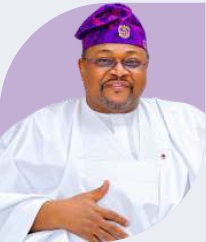
FAMILY TIME BEHIND CLOSED DOORS
Adenuga’s preference for privacy means that much of his family life remains outside public view. However, published accounts have described family routines such as weekly dinners and movie nights at home.
If maintained as described, such routines demonstrate an important principle of parenting: family relationships require deliberate attention.
A demanding business career can consume enormous amounts of time. But shared meals and ordinary household activities create opportunities for family members to communicate, exchange experiences, and remain connected.
Being present does not always require grand gestures or elaborate celebrations. Sometimes, it means making time for conversations, listening to children, and showing interest in their everyday lives.
Adenuga’s discreet approach also highlights the importance of allowing children to grow outside the pressure of constant public attention. Children of prominent parents deserve the space to develop their interests, make decisions, and establish their own identities.
Privacy alone does not guarantee strong family relationships, but protecting the home from unnecessary exposure can give family members room to grow and relate to one another away from public expectations.
THE VALUES THAT DEFINE A LASTING FAMILY LEGACY
Three important lessons emerge from Adenuga’s family story:
1. Education and preparation are lasting gifts. Children need knowledge, skills, and sound judgment to make independent decisions. Wealth can provide opportunities, but education equips them to use those opportunities meaningfully.
2. Discipline must accompany privilege. A successful family name should inspire children to work harder and accept responsibility, not make them complacent. Character and competence remain essential to lasting achievement.
3. Family values must be demonstrated. Respect for parents, appreciation of a spouse, care for children, humility, and responsibility are best taught through everyday example. These values help preserve a family’s identity across generations.
His philanthropic activities also offer a wider lesson about responsibility. Through reported support for education, healthcare, disaster relief, and other public causes, Adenuga’s success has been associated with contributions beyond his immediate household. Such generosity reinforces the principle that resources can be used to improve the lives of others.
For children, witnessing a commitment to helping others can teach that wealth carries obligations and that achievement should create opportunities to make a positive difference.
THE SILENT PATRIARCH: A DIFFERENT MEASURE OF SUCCESS
Mike Adenuga’s achievements in telecommunications and oil and gas have secured his place among Nigeria’s most prominent entrepreneurs. But his family story introduces another way of understanding his legacy.
His mother helped shape his entrepreneurial instincts. His marriage to Titi forms an important part of his personal foundation. His children represent the next generation, with the responsibility of developing their own capabilities while understanding the values associated with the family name.
His preference for privacy also challenges the idea that exemplary fatherhood must be loudly displayed. A father can express commitment through providing opportunities, teaching discipline, encouraging education, protecting his family’s privacy, and preparing his children for independent lives.
Not every father can build a telecommunications company or establish a major oil business. But every father can strive to guide his children, teach them responsibility, encourage their ambitions, and show them the importance of family.
Mike Adenuga’s most enduring legacy may therefore extend beyond Globacom and Conoil. It may also be found in the values he seeks to preserve, the next generation he prepares, and the family bonds he protects from the pressures of public life.
He may be known as The Bull in business, but his family legacy reflects a different kind of strength: discipline, discretion, responsibility, and continuity.
That is exemplary fatherhood. That is the silent patriarch’s enduring lesson.

CHIEF RAZAQ AKANNI OKOYA
The Fatherhood That Never Retires: The Billionaire Patriarch Raising Children Across Six Decades
At an age when many men have settled into grandparenthood and retirement, the billionaire industrialist remains actively involved in raising young children, mentoring grown-up sons and daughters, and preparing another generation to sustain the family legacy. His story reflects an unusual generational reach, discipline, family attachment and an enduring belief that fatherhood has no retirement age.
In Nigeria’s business community, Chief Razaq Akanni Okoya, CON, is celebrated as the billionaire founder and chairman of Eleganza Group. Beyond his industrial achievements, however, lies an extraordinary story of fatherhood. At 86, he remains actively involved in raising young children even as his older children, some already in their 50s and 60s, have established their own lives and careers. His family is reportedly made up of 26 children from nine women, making his parenting journey one that spans several generations.
His marriage to Chief Mrs. Shade Okoya in 1999 brought another chapter to this remarkable family story. Their union has produced four children, extending his active parenting responsibilities into an age when many of his contemporaries have long moved beyond child-rearing.
For Okoya, fatherhood is evidently a lifelong assignment—not merely about providing for children, but nurturing, guiding, disciplining and preparing them for the future.
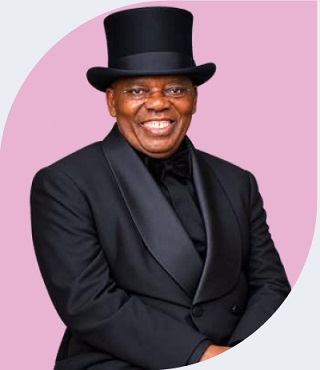
A FATHER ACROSS GENERATIONS
Few fathers can relate to the experience of raising children whose ages span several decades. Okoya’s family brings together grown-up children with established careers and younger ones still navigating childhood and adolescence.
His younger children keep him actively connected to the demands of parenting, from their education and daily routines to their personal development. His philosophy, according to source is that having young children helps keep him young at heart.
His wife, Shade, has reportedly described him as an involved father who takes interest in the everyday upbringing of their children, including bathing them and knowing their teachers. Such details underscore an important dimension of fatherhood: beyond material provision, children need a father who is attentive, accessible and emotionally present.
DISCIPLINE BEFORE PRIVILEGE
Perhaps the most distinctive feature of Okoya’s parenting philosophy is his insistence that wealth should never make his children idle or entitled. Despite the comfort and opportunities associated with the family, his children are expected to understand the work behind the Eleganza empire.
Sources close to the family describe a practical apprenticeship culture in which children are exposed to the company’s operations, including time on the factory floor. His son, Wahab, reportedly recalled that even in his mid-80s, his father maintained an early-morning routine of going to the factory and expected the younger children to appreciate the importance of hard work.
For Okoya, focus, honesty, determination and punctuality are essential values. By exposing his children to the realities of business, he seeks to teach them that a family name or inherited wealth does not automatically confer competence or leadership ability.
This approach offers an important lesson to affluent parents: giving children opportunities is not enough; they must also be equipped with the discipline and skills to make those opportunities count.
MENTORSHIP, INDEPENDENCE AND FAMILY LEGACY
Okoya’s commitment to preparing his children for life and business reportedly began with his older offspring, some of whom travelled with him to European fashion and manufacturing centres to learn about the industry.
While some have pursued independent business interests rather than follow directly in his footsteps, others have been associated with the family enterprise. His reported efforts to groom younger children, including Olamide, Subomi, Oyinlola and Wahab, for greater responsibilities reflect his interest in continuity and succession.
Yet an important lesson in his parenting journey is that children must be allowed to develop their individual ambitions. A successful father does not necessarily have to make every child a replica of himself. Rather, he should provide guidance, exposure and support that enable them to make responsible choices and build meaningful lives.
FAMILY UNITY AND THE CHALLENGE OF STRICTNESS
Managing a large household across different generations and maternal backgrounds requires deliberate effort. A source close to the family portrays Okoya as a patriarch who expects mutual respect among his children and places importance on maintaining unity within the family.
His story, however, also illustrates the challenges that can accompany a firm parenting style. A reported long-running disagreement involving his son, Fatai Okoya, over personal and family decisions highlights the delicate balance between parental authority and the independence of adult children.
While the family has reportedly offered a different account of the circumstances, the episode raises a broader question about exemplary fatherhood: how can parents uphold discipline without allowing disagreements to permanently damage family relationships?
A father’s responsibility includes setting standards and teaching accountability, but it also requires patience, listening and a willingness to embrace reconciliation. As children grow into adulthood, their choices may not always align with their parents’ expectations. Preserving family bonds therefore requires understanding alongside discipline.
FIVE LESSONS IN EXEMPLARY FATHERHOOD
1. Fatherhood has no retirement age: Okoya’s continued involvement in raising young children demonstrates that parenting remains a lifelong responsibility.
2. Wealth must come with discipline: Children should understand the effort behind family success and learn that privilege does not exempt them from hard work.
3. Mentorship is more valuable than passive inheritance: Practical exposure, guidance and responsibility prepare children for the future.
4. Family unity requires deliberate effort: Respect, fairness and recognition of individual family members are essential to maintaining harmony.
5. Discipline must leave room for understanding: Parents should uphold standards while allowing room for individuality, forgiveness and reconciliation.
A LEGACY BEYOND ELEGANZA
Chief Razaq Akanni Okoya’s story is remarkable not simply because of the number of children he has raised or the extraordinary age difference between his eldest and youngest offspring. Its deeper significance lies in his continuing role as provider, mentor, disciplinarian and family patriarch.
He has built a major industrial enterprise, exposed his children to the world of business, encouraged practical learning and emphasised the values of hard work, honesty and responsibility. His family journey also demonstrates that parenting a large household comes with challenges, requiring patience, fairness and a commitment to sustaining relationships.
Not every father can build an industrial empire or provide the opportunities available to the Okoya family. But every father can teach discipline, encourage hard work, value education, respect individuality and make the effort to keep the family connected.
At 86, Okoya’s business empire continues to bear his name, but his fatherhood has not retired. His most distinctive legacy may well be the continuing commitment to nurture, guide and prepare another generation for life beyond the privileges of wealth.
For this billionaire patriarch, fatherhood remains his greatest assignment—and his family, a legacy still in the making.
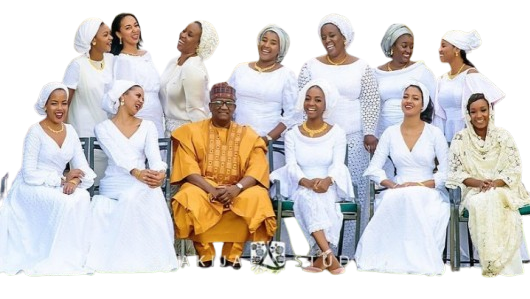
ALHAJI (DR.) MUHAMMADU INDIMI
The Billionaire Father Who Sent His Children to The World’s Best Schools, And Taught Them to Remember Home
For the billionaire industrialist, true fatherhood goes beyond providing wealth and privilege. It means educating children for global opportunities, grounding them in their cultural identity, keeping the family united and inspiring the next generation to contribute to the development of their homeland.
In Nigeria’s business community, Indimi is widely recognised as the billionaire founder and Chairman of Oriental Energy Resources. But beyond oil and gas, his most remarkable achievement is raising a large and influential family about 20 children with education, discipline, unity and responsibility at the centre of his parenting.
His philosophy is simple but distinctive: give the children access to the best opportunities in the world, but never allow them to lose connection with home. As he often insists: “My house is Borno. My children must build Borno.”
A FATHER WHO CALLS EVERY MORNING
One of the most defining habits of Indimi as a father is his daily early-morning routine.
Despite his busy schedule as an international businessman, he reportedly wakes up very early every morning to call all his children, one after the other, wherever they are in the world.
It is not a casual check-in. It is a father’s roll call — to hear their voices, ask about their health, their work, their studies, their plans for the day, and to offer prayers, advice and encouragement.
For his children, that call has become a symbol of presence. It tells them that no matter how far they travel, how successful they become, or how busy life gets, their father is watching, caring and leading.
This habit reveals the core of his exemplary fatherhood: wealth did not replace presence. He did not outsource parenting to nannies, drivers or schools. He remained personally involved, daily and consistently.
It also built discipline in the family. His children grew up knowing that their father would call — and that they must be accountable for how they spent their day.
EDUCATION BEFORE INHERITANCE
Indimi’s commitment to education comes from personal experience. Having been denied formal Western education because his father could not afford it, he made a deliberate decision to give his children what he did not have.
His children attended leading institutions in the United States and the United Kingdom, including Lynn University, the University of London and American University. For him, education is not a status symbol. It is an investment in independence, competence and the ability to contribute to society.
His message is clear: knowledge is greater than inheritance. Rather than depend solely on family fortune, his children must acquire qualifications, develop professional skills and earn their own place in the world.
A responsible father, in his view, does not merely leave wealth for his children. He prepares them with the knowledge, discipline and confidence to manage their own lives.
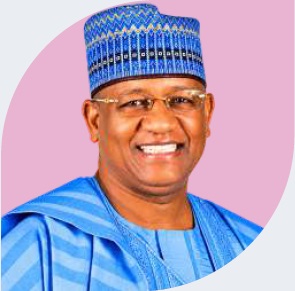
GLOBAL OPPORTUNITIES, STRONG ROOTS
Perhaps the most distinctive feature of his parenting is his insistence that international exposure must not erase cultural identity.
Despite schooling abroad, his children were encouraged to return home, contribute to the family business and to the development of Borno State. His attachment to Maiduguri reflects a conviction that the place that shaped the family should not be abandoned because its children have acquired global opportunities.
This philosophy goes beyond his household. His investment in education at home, including the establishment of Al-Ansar University in Maiduguri, shows his belief in building opportunities where they are most needed — at a time when insecurity had destroyed many schools in Borno.
His lesson to his children is clear: see the world, learn from it, but come back and build home.
FAMILY UNITY: ONE FAMILY, ONE BOND
Raising about 20 children across different maternal backgrounds requires more than money. It demands deliberate leadership, fairness and mutual respect.
Indimi places great importance on unity among his children and wives. His household is built on the principle that all his children, regardless of mother, are one family. He encourages them to know each other, respect each other, celebrate each other and stand together.
His daughter, Yakolo Indimi, has described a parenting style that allows children to make mistakes and learn from the consequences, rather than being excessively controlled. This reflects his belief that discipline should build judgment, not fear.
The family’s annual gatherings in Maiduguri further strengthen that bond — bringing everyone back to the same table, the same house, the same roots, despite their different careers and locations.
PREPARING INDEPENDENT CHILDREN AND RESPONSIBLE LEADERS
Several of Indimi’s children have become prominent in business and public life. Some work within the family business, others pursue their own entrepreneurial and professional ambitions.
His approach combines global education with practical exposure to business and responsibility. Children are not simply handed positions; they are expected to develop capacity and justify the opportunities given to them.
Like every large family, there have been disagreements — including the reported corporate dispute involving his twin daughters, Ameena and Zara, and Oriental Energy. Such moments only underscore the complexity of balancing family love with business accountability.
A FATHERHOOD PHILOSOPHY BUILT ON VALUES
Indimi’s parenting offers five enduring lessons:
1. Presence is the first duty: Call every day. Know your children. No wealth replaces a father’s voice.
2. Education is the greatest inheritance: Equip children with knowledge that will sustain them beyond fortune.
3. Global exposure must preserve identity: Explore the world without losing your roots.
4. Unity requires leadership: Build mutual respect and belonging among all children.
5. Success must serve home: Encourage the next generation to contribute to family, community and society.
THE LEGACY OF A FATHER WHO WANTS HIS CHILDREN TO BUILD HOME
Alhaji (Dr.) Muhammadu Indimi’s story is significant not because he raised a large family or sent his children to prestigious schools. It is the values behind those opportunities that make his fatherhood exemplary.
He gave his children the world, but kept them close with a phone call every morning. He gave them independence, but taught them accountability. He gave them global education, but anchored them in Borno.
His greatest legacy as a father may not be the wealth they will inherit, but the education, values, discipline and sense of responsibility he instilled in them.
He gave his children the opportunity to see the world — but his enduring lesson is that they must never forget home. For Muhammadu Indimi, that is what makes a family legacy truly meaningful.

CHIEF (DR.) GABRIEL OSAWARU IGBINEDION, CFR
The Esama: The Billionaire Patriarch Who Built a Legacy of Family Unity and Togetherness
Beyond his towering achievements in business, philanthropy and education, the Esama of Benin Kingdom has distinguished himself as a devoted family patriarch whose greatest pride is the bond he shares with his children. Through discipline, parental guidance, shared values and an enduring commitment to education, he has built a family legacy that extends across generations.
In Nigeria’s history of business, philanthropy and traditional leadership, few personalities command the recognition and influence of Chief (Dr.) Gabriel Osawaru Igbinedion, CFR, the Esama of Benin Kingdom. A renowned entrepreneur and educational pioneer, he has built an impressive legacy through enterprise, philanthropy and investments in human development. Yet, beyond his public accomplishments lies another defining aspect of his life: his dedication to family and his enduring influence as a father.
A patriarch of a large and prominent family, Chief Igbinedion has raised children who have distinguished themselves in business, politics, law, education and other fields of endeavour. Among them are former Edo State Governor, Chief Lucky Igbinedion; Hon. Omosede Igbinedion; Charles Igbinedion; Peter Igbinedion; and other accomplished members of the family.
His story offers an interesting perspective on exemplary fatherhood: the belief that a man’s success should not be measured only by the empire he builds, but also by the family he nurtures, the values he transmits and the relationships he sustains.
FAMILY FIRST: THE PATRIARCH’S GREATEST TREASURE
One of the most striking themes in Chief Igbinedion’s family life is his emphasis on togetherness. Despite the demands of business, public engagements and traditional responsibilities, he is portrayed as a father who places considerable importance on maintaining close relationships with his children.
The family dinner tradition as revealed by sources close to the family captures this philosophy. It presents the family table as a place where children, regardless of their individual achievements or social standing, come together to share experiences and strengthen their bonds.
The significance of such a tradition goes beyond eating together. It reinforces the idea that family relationships must be deliberately nurtured and that no level of personal or professional success should make anyone too important to remain connected to the family.
For a patriarch whose children occupy different positions in society, this emphasis on togetherness sends a powerful message: family identity and mutual affection should remain stronger than differences in status, profession or personal achievement.
The account also highlights his desire to maintain personal connections with his children, remembering their individual milestones and keeping himself involved in their lives. It is this continuing interest in their welfare that gives substance to his image as a devoted father.
EDUCATION: BUILDING A FUTURE FOR HIS CHILDREN AND GENERATIONS BEYOND
Chief Igbinedion’s commitment to education is among the most enduring expressions of his fatherhood and social philosophy.
His establishment of the Igbinedion Education Centre and Igbinedion University, Okada, Nigeria’s first private university, reflects a vision that goes beyond providing educational opportunities for his immediate family. Through these institutions, he has contributed to expanding access to education and creating opportunities for young Nigerians to acquire knowledge and develop their potential.
The university’s establishment in Okada, his home community, also reflects his attachment to his roots and his determination to bring development closer to his people.
For his children, his investment in education represents an important part of the legacy he has built. It demonstrates that a parent’s responsibility should include preparing the next generation with the knowledge, exposure and intellectual foundation required to succeed independently.
His educational vision has therefore extended fatherhood beyond his biological household. By investing in institutions that serve other families and communities, he has helped create opportunities for thousands of young people who may never have had the privilege of knowing him personally.
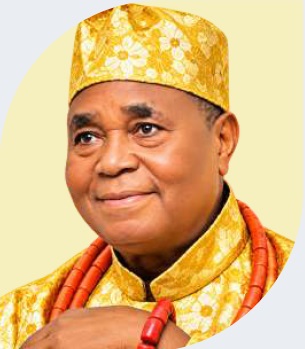
A FATHER WHO SHAPED LEADERS AND ACHIEVERS
The achievements of several of Chief Igbinedion’s children provide a visible expression of his influence as a father and mentor.
His son, Chief Lucky Igbinedion, served as Governor of Edo State, while Hon. Omosede Igbinedion has distinguished herself in politics and public service. Other members of the family have also pursued careers in business, law and other professional fields.
Their individual journeys reflect the importance of parental guidance, education, exposure and the values cultivated within the family.
Family members, including Omosede Igbinedion, have publicly acknowledged him as a nurturing and visionary father whose discipline, encouragement and guidance helped shape their lives. Such recognition from his children is particularly significant because the true measure of a father’s influence is often reflected in the character, confidence and accomplishments of the people he raises.
His example also demonstrates that a father can provide direction without limiting the possibilities of his children. By encouraging them to pursue different paths, he has helped create a family whose influence cuts across several sectors of Nigerian society.
DISCIPLINE, VALUES AND THE STRENGTH OF FAMILY BONDS
A defining responsibility of fatherhood is the transmission of values. In the Igbinedion family story, discipline, respect, parental guidance and a sense of belonging stand out as important elements of the patriarch’s legacy.
The accounts of his family life portray a father who believes that children should remain conscious of their roots and the responsibilities that come with belonging to a prominent family.
His emphasis on family togetherness is particularly important in a large household where individual ambitions, professional commitments and different lifestyles can sometimes create distance.
Maintaining meaningful relationships across generations requires deliberate effort, communication and a shared understanding of family identity.
The loss of a child, as recounted by a source close to the family also underscores the emotional challenges that families encounter. The account describes the patriarch drawing his remaining children closer during a difficult period, reinforcing the importance of standing together in times of grief.
It is a reminder that exemplary fatherhood is not simply about providing material comfort or celebrating achievements. It is also about offering emotional support, strengthening family bonds and helping loved ones find reassurance in one another during difficult moments.
BEYOND HIS BIOLOGICAL CHILDREN: A FATHER FIGURE TO SOCIETY
Perhaps one of the most remarkable dimensions of Chief Igbinedion’s legacy is the extension of his fatherly influence beyond his immediate family.
Through his philanthropic activities and investments in education, he has contributed to the development of individuals and communities across Nigeria. His establishment of educational institutions has created platforms through which young people can acquire the skills and knowledge needed to build productive futures.
His public recognition as a father figure of enterprise and philanthropy, including the tributes associated with the presentation of his biography, The Chronicles of a Legend, reflects the wider appreciation of his contributions.
In this regard, his understanding of legacy appears to extend beyond what his biological children inherit. It encompasses the opportunities he creates for other families, the institutions he establishes and the generations that benefit from his investments in human development.
THE IGBINEDION FAMILY VALUES: FIVE LESSONS IN EXEMPLARY FATHERHOOD
1. Family must remain a priority: Professional success should never become an excuse for neglecting family relationships.
2. Education is an enduring inheritance: A parent’s investment in knowledge equips children to build independent and meaningful futures.
3. Discipline and guidance shape character: Children need direction, values and encouragement to become responsible adults.
4. Togetherness strengthens family legacy: Shared experiences, mutual respect and emotional support help preserve family bonds across generations.
5. True fatherhood extends beyond the household: Supporting education, philanthropy and community development creates opportunities for other families and future generations.
A LEGACY GREATER THAN WEALTH
Chief (Dr.) Gabriel Osawaru Igbinedion’s story as an exemplary father is inseparable from his achievements as an entrepreneur, philanthropist and traditional leader. Yet the most enduring dimension of his legacy may well be the family he has nurtured and the values he has sought to preserve across generations.
He has raised children who have made their marks in different fields, invested in institutions that provide opportunities for young Nigerians and maintained a strong attachment to the family and community that shaped his journey.
His life reinforces an important truth about fatherhood: wealth can provide comfort, influence can open doors and success can create recognition, but it is love, guidance, discipline and togetherness that give a family its lasting strength.
For the Esama of Benin Kingdom, the true measure of a successful life is not merely the empire built or the honours received, but the generations nurtured, the family bonds preserved and the opportunities created for others.
That is the enduring story of Chief Gabriel Igbinedion: a father whose legacy reaches beyond his name, his wealth and his business empire to the family and generations he has helped shape.