…How they are Shaping Nigeria’s Future
Society would be a theatre of chaos if there were no laws and regulations to govern and regulate human activities. That is why nations, international and subnational entities, organizations and communities enact laws, by-laws, regulations and standards and establish bodies or agencies, generally referred to as regulatory agencies, to enforce and implement them.
By definition, a regulatory agency is a governmental body established by a legislature to enforce and implement specific laws, regulations, and standards. These agencies often have quasi-legislative, quasi-executive, and quasi-judicial functions, allowing them to make, enforce, and adjudicate disputes related to their regulations. They play a crucial role in maintaining order and fairness within society by ensuring compliance with laws and regulations in various sectors.
They are created by legislative bodies (like Congress in the US or the National and State Assemblies in Nigeria) to carry out specific tasks. They are responsible for enforcing laws and regulations, often involving monitoring, investigating, and taking action against non-compliance. Regulatory agencies often have quasi-legislative functions (making rules), quasi-executive functions (enforcing rules), and quasi-judicial functions (adjudicating disputes). In many cases They also generate revenue.
In Nigeria, no one can put his finger on the exact number of existing regulatory agencies due to lack of agreement on which government agencies in different sectors of the society, cutting across the three tiers of government – Federal, State, and Local – can be so categorized. Suffice it to say that the nation has numerous regulatory bodies covering all the economic and social sectors of the society, including finance, business, canpetroleum, energy, housing, telecommunications, agriculture, aviation, shipping and maritime, information and media, education, healthcare, security, import-export, environment, judiciary, science and technology, water resources, and the uncategorized.
To provide a peep into the world of regulatory agencies in Nigeria, here are random examples: the Central Bank of Nigeria (CBN), the National Insurance Commission (NICO), National Pension Commission (PENCOM), Nigerian Electricity Regulatory Commission (NERC), Medical and Dental Council of Nigeria (MDCN), Pharmacists Council of Nigeria (PCN), the Consumer Protection Council (CPC), and Nigerian Civil Aviation Authority (NCAA).
Others are: Nigeria Deposit Insurance Corporation (NDIC), Broadcasting Organisation of Nigeria (BON), West African Examination Council (WAEC), National Environmental Standards, Regulations Enforcement Agency (NESREA), and many more.
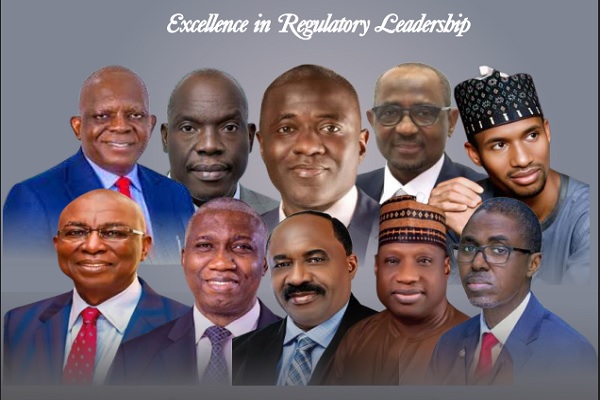
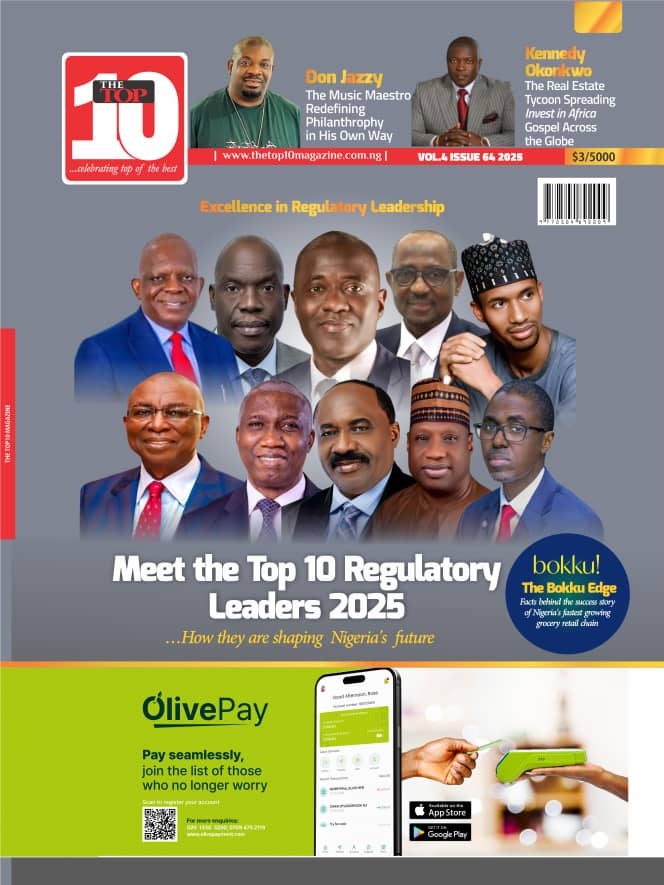
It has been realized that as a country navigates the complexities of a rapidly evolving business landscape, effective regulation plays a crucial role in shaping its economic future. That is why the Top10 Magazine, decided to beam its searchlight on the individuals who are driving change and excellence in regulatory leadership across various sectors in Nigeria. Specifically, the magazine set out to examine the leadership performance of the regulatory agencies with the view to celebrating and showcasing 10 most outstanding regulatory leaders in terms of performance and delivery on their mandate in line with president Bola Tinubu’s Renewed Hope Agenda.

Doing that, however, posed a major challenge. How do you select just 10 agencies from the maze of regulatory agencies in the country as so many more may qualify? First, we decided to identify those agencies that, by the nature of their mandates, interface directly with the members of the public in the ordinary course of discharging their responsibilities. That places their service users in a vantage position to be co-assessors of their performance. Then we zeroed in on the agencies about which relevant information is readily available in the public domain and to us. The final stage was to subject those that emerged to our well-known objective rigorous selection process. The Top 10 Most Outstanding Regulatory Leaders presented here showcases the exceptional work being done to promote transparency, accountability, and innovation. These leaders are distinguishing themselves by making a lasting impact on the country’s regulatory framework.
Engr. Gbenga Komolafe, the pioneer Commission Chief Executive (CCE) of the Nigerian Upstream Petroleum Regulatory Commission (NUPRC), for instance, distinguished himself by receiving over 40 notable recognitions from notable organizations in just about three years. At the Nigerian Communications Commission (NCC), Dr. Aminu Maida, its Executive Vice Chairman and Chief Executive Officer (EVC/CEO), promptly anchored his plans for the telecommunications industry on efficient service delivery and accountability with a focus on transparency and user empowerment. This aligns not only with the commission’s regulatory mandate but also underscores its commitment to driving innovation in Nigeria’s digital economy.

In the aviation sector, Captain Chris Ona Najomo, the Acting Director General (DG), Nigeria Civil Aviation Authority (NCAA) has given the agency his Midas touch as evident in the improved workforce morale, enhanced operational efficiency, and elevated air safety standards. His colleague, Engr. Farouk Ahmed Umar, the Managing Director/CEO of the Nigerian Airspace Management Agency (NAMA) has got all the professional staff unions in the agency hailing him for the massive transformation he had brought to the agency in just one year in office.
Other Regulators who are providing leadership in the efficient delivery on their statutory mandate of outstanding initiatives and oversight, revenue generation and general contribution to the national economy include: Engr. Farouk Ahmed (CEO, NMDPRA), Dr. Dayo Mobereola (DG, NIMASA), Bamanga Jada (MD/CEO, OGFZA), Dr. Vincent Isegbe (DG/COMPTROLLER-GENERAL, NAQS), Mr. Akutah Pius Ukeyima (ES/CEO, NSC), and Bello Hassan (DG, NDIC).
As we serve you this maiden edition of our celebration of Nigeria’s regulatory agencies, be assured that more will come your way in the series.
ENGR. GBENGA KOMOLAFE – CCE, NUPRC
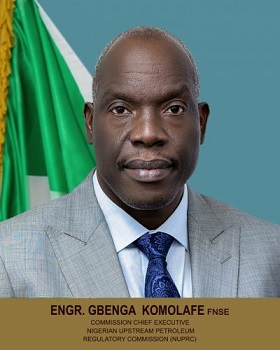
It is no mean feat for an organization to receive over 40 notable recognitions in just about three years. It is even more remarkable when that organization is itself only about three years old. That feat is the highpoint of the success story of the Nigerian Upstream Petroleum Regulatory Commission (NUPRC) under the leadership of Engr. Gbenga Komolafe.
The latest haul of such recognitions accorded NUPRC came from reputable sources in the form of ThisDay/Arise Group CEO of the Year Award; the Sun Public Service Award; Best MDA in Digital Transformation at the 2024 Nigeria GOVTECH Conference and Awards; and four top awards and an Executive Recognition at the 2024 SERVICOM MDAs’ Awards.
These recognitions are testimonials to the quality of leadership which Engr. Komolafe has brought to NUPRC as its pioneer Commission Chief Executive (CCE). “We have been working silently and assiduously to ensure that we implement our statutory mandate effectively in a manner that has now become a success story,” Komolafe said after receiving The Sun Public Service Award in Lagos. ‘‘We have been able to attract investors’ confidence, certainty, and predictability in the industry. and while doing this with my dedicated team, we never knew the industry and relevant stakeholders were watching. What you have seen today is a message that the Nigerian society is watching and this award is a testament to our good work, but it further serves as a motivation for us to keep doing more for the good of the country.”
NUPRC was established under the Petroleum Industry Act (PIA) 2021 as the regulator of the upstream sector of the Nigerian petroleum industry. The Commission has the statutory responsibility for ensuring compliance with petroleum laws, regulations and guidelines in the Upstream Oil and Gas Sector. Since taking office in 2021 as the pioneer Commission Chief Executive, Engr. Komolafe has guided the NUPRC toward efficiency, openness, as well as regulatory initiatives and reforms to support President Bola Ahmed Tinubu’s Renewed Hope Agenda. His wealth of experience in engineering, law, and institutional process studies has been instrumental in the remarkable milestones the commission has attained in less than four years. The commission successfully developed and rolled out over 17 new regulations within two and half years that have fostered growth, improved productivity, and increased government revenue from the oil and gas sector. These strategic interventions have restored investor confidence and positioned Nigeria’s petroleum industry for sustained growth.
Engr. Komolafe’s leadership has steered the commission away from the opaque operations that plague some other regulatory agencies. He focuses on transparency, effectiveness, and predictability in business results, an approach that has made NUPRC a model regulatory agency that has attracted upstream oil investors once again.
Engr. Komolafe’s leadership of NUPRC has led to the introduction of a comprehensive regulatory framework that is aligned with the provisions of the Petroleum Industry Act (PIA) in modernizing licensing processes, promoting environmental sustainability, and enhancing stakeholder engagement. The regulations also serve as tools to ensure certainty and predictability of the activities in the upstream industry as against what was obtained in the pre-PIA era.
A substantial decrease in crude oil theft, a long-standing issue for Nigeria’s oil industry, is among his historic accomplishments. Through the conduct of a comprehensive audit of crude oil theft and an assessment of upstream asset integrity, the Commission was able to determine the actual magnitude of the nation’s losses. After that, the CCE carried out specific interventions, such as enhanced cargo declaration and upstream measurement processes, stronger regulatory oversight on crude oil evacuation and handling agreements, and improved security measures to prevent oil theft at production and export terminals.
As a result of these efforts, Nigeria’s crude oil production has increased from below one million barrels per day to over 1.6 million barrels per day. This improvement has undoubtedly reversed the decline in oil investments, reinforcing the confidence of both local and foreign investors in Nigeria’s upstream sector. The NUPRC has further introduced structural changes that prioritize openness, clarity, and predictability in regulatory operations. This shift has streamlined business processes, reduced bureaucratic bottlenecks, and created a more investor-friendly environment.
Another major highlight of Engr. Komolafe’s leadership is the comprehensive review of crude oil handling agreements aimed at boosting transparency and competitiveness. The oil industry is now much more efficient as a result of these reforms, which have drastically reduced capital and operational expenditure in oil production. Furthermore, the implementation of the Domestic Crude Oil Supply Obligation (DCSO) ensures that local refineries receive sufficient and uninterrupted crude oil feedstock, supporting Nigeria’s goal of achieving energy security and domestic petroleum sufficiency.
To further optimize Nigeria’s crude oil production potential, the NUPRC under Engr. Komolafe undertook an industry-wide study to reactivate inactive oil wells across the country. This strategic initiative aims to unlock 700,000 barrels of oil per day, significantly boosting Nigeria’s production capacity. This proactive approach aligns with global best practices in upstream asset management, ensuring that existing resources are maximized while minimizing environmental impact.
What’s more, the Commission has fostered operational efficiency, reduced waste, and enhanced compliance with global sustainability standards through strengthening regulatory oversight on crude oil exploration and production. These measures have restored confidence among international stakeholders and positioned Nigeria’s oil industry as a more attractive investment destination.
The NUPRC has demonstrated its commitment to effective service delivery through initiatives such as full automation of statutory approvals and work processes. The NUPRC’s adherence to the SERVICOM charter has enhanced timely and efficient job outputs, reinforcing the Commission’s role as a leading regulatory agency in Nigeria’s oil and gas sector. Also, under his watch, the NUPRC has embraced digital transformation and automation in regulatory processes, reducing inefficiencies and improving data accuracy in monitoring upstream activities.
The global energy landscape is evolving, with a shift towards sustainable and renewable energy sources. Recognizing this trend, Engr. Komolafe has strategically positioned the NUPRC to leverage opportunities presented by the energy transition era. Through policy innovations and stakeholder engagements, the Commission is driving efforts to ensure that Nigeria’s oil and gas industry remains competitive while adapting to emerging global energy trends.
His leadership has facilitated the adoption of environmentally sustainable practices in upstream operations, encouragement of investments in gas infrastructure as a cleaner energy alternative, and alignment of Nigeria’s energy policies with global carbon reduction commitments. By integrating these strategies, the NUPRC is ensuring that Nigeria maximizes its hydrocarbon resources while gradually transitioning towards a more diversified energy mix.
Gbenga Komolafe’s distinctive leadership at the NUPRC has provided a critical pillar in driving Nigeria’s development through a more prosperous, transparent, efficient, and investor-friendly oil and gas industry. His legacy is undoubtedly an epitome of innovation, commitment, and transformative impact, making him a leader worthy of the highest national recognition.
The pioneer Commission Chief Executive’s exceptional strides at NUPRC did not come to many as a surprise. He came to the office prepared, thanks to his extensive experience, which includes positions such as Executive Director (Commercial) of Pipelines and Petroleum Marketing Company (PPMC), Group General Manager, Crude Oil Marketing Division, and Group General Manager, Special Duties at the Nigerian National Petroleum Corporation (NNPC).
Engr. Genga Komolafe’s selection by the Top10 magazine as one of the regulatory agency leaders in Nigeria is in recognition of his outstanding achievements as the Commission Chief Executive of NUPRC in terms of efficient delivery on its statutory mandate of regulatory initiatives and oversight, revenue generation and general contribution to the national economy.
DR. AMINU MAIDA – CEO, NCC
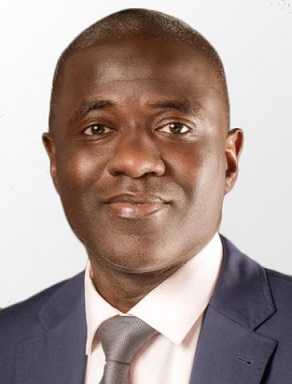
In his review of the activities of the Nigerian Communications Commission (NCC) for the year 2024, Dr. Aminu Maida, its Executive Vice Chairman and Chief Executive Officer (EVC/CEO), made a statement that must have gladdened the hearts of telecommunications industry stakeholders in Nigeria. He declared 2025 as the year of optimism. “With the foundations we laid in 2024, we are set to transform the telecom landscape,” Maida said.
The EVC/CEO specifically revealed the Commission’s plan to release coverage maps based on crowd-sourced, real-world performance data. This innovation, according to him, aims to acquaint mobile phone users with the efficiency standing of Mobile Network Operators (MNOs) in their specific locations. “No more guessing which network works best,” Maida declared. “Users will have access to actual performance data directly on our website.”
You better believe him. The NCC boss anchors his plans for the telecommunications industry on efficient service delivery, transparency and accountability. His focus on transparency and user empowerment not only aligns with the commission’s regulatory mandate but also underscores its commitment to driving innovation in Nigeria’s digital economy.
NCC is the strategic National Regulatory Authority for the telecommunications industry in Nigeria. It is responsible for creating an enabling environment for competition among operators in the industry as well as ensuring the provision of qualitative and efficient telecommunications services throughout the country. Over the years, NCC has earned a reputation as a foremost Telecom regulatory agency in Africa. Upon assuming the leadership of the regulatory agency in late 2023, Dr Maida aimed to scale up that reputation and wasted no time in doing so.
Helped by his professional and career background Dr. Maida began his reign by opening up a new vista in the country’s communications sector by designing and implementing plans and policies to re-position the NCC for optimal productivity. The focus of the new NCC revolves around transparency and accountability in creating a level playing ground for stakeholders in the communications industry. For example, he initiated the drive towards ensuring fair tax policies and eliminating every incident of multiple taxation and regulations impacting the Nigerian telecommunications industry. This was prompted by the identification of multiple taxation as a significant impediment to the sustainable development of the telecom industry in the country. This is because consumers always bear the brunt of multiple taxes as operators factor them into the services they render. His overriding conviction as a regulator is that when the telecommunication sector is well-regulated, consumers will be the ultimate beneficiaries and contribute to sustainable growth and development.
Dr. Maida has displayed a grasp of the issues in the sector. According to available data, Nigeria’s telecommunications and information services sector, in the first quarter of 2023, contributed N2.508 trillion to the nation’s gross domestic product (GDP), representing 14.13 per cent. The strategic importance of this input cannot be overemphasized. This indicates that leadership is central to the NCC’s ability to deliver on its mandate. It was based on this realization that NCC under Maida’s leadership deployed brilliant policies and plans towards unlocking the endless possibilities in the industry to benefit Nigeria and Nigerians.
Aided by his background in electrical and electronic engineering, Dr. Maida has developed the knack for giving attention to both the little details and the big picture. In an interaction with the top echelon of the Nigerian media Lagos, shortly after assumption of office, Maida impressed the audience with his confidence and mastery of the issues that he wanted to address in his position, vis-à-vis the challenges in the communications sector of the nation’s economy – the big and the small. He addressed “simple things like the SIM registration process, how we link our NIN to SIMs, especially with the younger generation who do not have the level of patience that we have,” because he concedes that “this kind of thing is very important for them; they just want to get things done.” He also looked at the big picture. “I think there is a lot that we can do better. So, using the right regulatory framework, we can change things.”
NCC under Dr. Wanda’s leadership played a mediating role in the resolution of the disconnection between MTN and GLO dating back to 2009, which Maida described as a “commercial dispute.” He insisted that each party was obliged to respect the terms of agreement that was reached and made it clear that NCC would trigger the need to enforce discipline against any party that reneged on this agreement.
Under Maida’s watch, Nigeria has witnessed a steady increase in active voice and internet subscriptions, including a drop in teledensity as contained in the latest telecommunications statistical indicators released by the Nigerian Communications Commission (NCC), which have been adjusted to reflect the latest population growth figures and align with international best practices.
Other key milestone accomplishments of NCC under Maida’s leadership include the successful implementation, in 2024, of the Federal Government’s NIN-SIM linkage policy and the Presidential designation of NCC’s infrastructure as Critical National Information Infrastructure (CNII).
Industry stakeholders believe that Dr. Maida’s achievements have constituted an effective groundwork for both a secure digital economy and enhanced national security.
Dr. Aminu Maida, a native of Katsina State, holds an MEng in Information Systems Engineering from Imperial College, London and bagged a PhD in Electrical & Electronic Engineering from the University of Bath, United Kingdom. He later obtained a Post Graduate Diploma in Entrepreneurship (FinTech Pathway) programme at the Cambridge Judge Business School, University of Cambridge, United Kingdom.
Until his appointment as EVC/CEO of NCC, Dr. Maida was the Executive Director, Technology and operations at Nigeria Inter-Bank Settlement System Plc (NIBSS), the country’s central switch company owned by the Central Bank of Nigeria (CBN) and all licensed Deposit Money Banks (DMBs) in Nigeria.
Before NIBSS, Maida was the Chief Technical Officer (CTO) at the Nigerian-based FinTech Arca Payments Network and Senior Manager at Cisco Systems, United Kingdom.
Maida, between 2010 and 2014, had worked as a Network Design Consultant at EE, part of BT Group, and one of the largest mobile communications companies in the UK. He was also at some point (2006-2010) a System Engineer at Ubiquisys, a leading company in intelligent 3G and LTE small cells, which is now part of Cisco.
The selection of Engr. Aminu Maida by the Top10 magazine as one of the regulatory agency leaders in Nigeria is in recognition of his outstanding achievements as the Executive Vice Chairman and Chief Executive Officer of NCC in the efficient delivery on its statutory mandate of regulatory initiatives and oversight, revenue generation and general contribution to the national economy.
CAPT. CHRIS ONA NAJOMO – DG, NCAA

Keen observers among stakeholders cannot fail to feel the wind of positive change blowing across the safety end of the Nigerian aviation industry since Captain Chris Ona Najomo assumed office as the Acting Director General (DG), Nigeria Civil Aviation Authority (NCAA).
Najomo’s tenure has been a breath of fresh air for the NCAA and the Nigerian aviation sector as a whole. He has demonstrated a depth of unequal professionalism, leadership, industry, experience, and managerial excellence in the discharge of his duties and this has made him an invaluable asset to the nation’s aviation industry. His Midas touch is evident in the agency’s improved workforce morale, enhanced operational efficiency, and elevated air safety standards.
The Nigeria Civil Aviation Authority (NCAA), established under Section 8 (3) of Civil Aviation Act 2022, is the sole civil aviation regulatory body in Nigeria. The Act not only empowers the Authority to regulate aviation safety without political interference but to also carry out oversight functions of Airports, Airspace, Meteorological Services, etc. as well as economic regulations of the industry. NCC uses a series of well- coordinated procedures, including inspection, operation, certification, licensing, monitoring, sanction and enforcement, in ensuring safety and economic regulatory standards in the aviation industry.
Since Capt. Najomo assumed leadership of NCAA as Acting Director General, he has changed the face of aviation safety regulation and management in Nigeria through the introducion of various regulatory initiatives and compliance enforcement measures. For instance, to put the agency on a sound financial footing to discharge it’s mandate, Najomo initiated measures to recover the huge debt it was being owed by airlines. He declared a ‘no pay, no service’ sanction on defaulting airlines, thereby compelling debtor airlines to commence payment of their debt.
In 2024, Najomo implemented a safety and economic audit of all private jet operations in Nigeria. Private jet operators were given 72 hours to submit relevant documents for re-evaluation by NCAA. This followed the high prevalence of illegal operations by private jet owners holding a Permit For Non-Commercial Flights (PNCF). The permit forbids the owners from using their aircraft for hire and reward. The intention was to prevent the loss of revenue in addition to exposing the passengers to risk since the aircraft do not possess comprehensive insurance in the event of an accident or incident. In the process, several violators were suspended and NCAA officials were deployed to General Aviation Terminals (GAT) and private wings of the airports to monitor activities of the PNCF holders.
The NCAA has made daring moves to increase operational effectiveness and openness under Najomo’s leadership. One such is the creation of the Project Monitoring and Contract Evaluation Unit (PMCEU) for the first time in the agency’s history. This unit ensures probity and transparency in the execution of projects, reflecting Najomo’s commitment to accountability and good governance.
He also set up a dedicated Unmanned Aircraft Systems (UAS) unit to aid and accelerate the country’s quest to control and coordinate the increasing numbers of the use of the technology in Nigeria. The Director General also liberalized the registration and issuance of certificates for Unmanned Aerial Vehicles, (UAVs) and drones, restarted audit-compliant airlines like Max Air, and achieved an excellent result in the ICAO security audit and Industrial Peace.
In addition, he created a Quality Assurance Department to promote compliance with technical and non-technical policies within the NCAA. This has been recognised as an initiative that has significantly strengthened the regulatory authority’s ability to uphold international aviation standards, thereby enhancing Nigeria’s reputation in the global aviation industry.
In October 2024, NCAA issued a certificate of accreditation to the Aerodrome Emergency Training School of the Nigerian College of Aviation Technology (NCAT), Zaria, as provider of Aircraft Rescue and Firefighting (ARFF) training in Nigeria. The accreditation which is the first to be conducted in Nigeria will enhance safety and standardization of ARFF training across the industry. The benefits of the accreditation to NCAA, the Aviation industry and the nation at large, include enhanced safety and standardization of ARFF training across the industry; strengthened reputation for the Nigerian College of Aviation Technology (NCAT); and increased regulatory compliance.
Under Najomo’s leadership, two international airports in Nigeria were recertified after five years of expiration of certificates. The renewal of the Aerodrome Certificate for Nnamdi Azikiwe International Airport (NAIA), Abuja and Murtala Muhammed International Airport (MMA), marked the first phase of the CAAs action plan for the certification of the aerodromes.
Capt. Najomo has been effective on stakeholder engagements in taking decisions affecting the industry. Several stakeholder meetings, workshops, seminars, enlightenment programmes and strategic collaborative meetings have also been held with various organizations including International Air Transport Association (IATA). Courtesy of the support enjoyed from his Director of Public Affairs and Consumer Protection, Mr. Mike Achimugu, NCC under Najomo’s leadership has organized aggressive public enlightenment programmes, including roadshows. Worthy of mention was the introducion of the annual Face of Aviation Consumer Protection (FACP) to encourage creativity, passion, dedication to duty and excellence by the staff. It is also part of the rebranding exercise of the Consumer Protection Department, and the Consumer Protection Officers (CPOs), who are the frontline staff of the Authority that interface with passengers on a daily basis and feature the launch of a new dress code. This Directorate was headed by Najomo before his appointment as Acting Director General of NCAA.
It was under Capt Chris Najomo’s watch that the NCAA Consumer Protection Portal was built and launched to solve real-time passenger complaints against airlines. It was part of a fulfillment of Najomo’s action points for 2024, which speaks to the ease of doing business environment that the NCAA is consciously creating. The portal is in line with NCAA’s automation of its processes amid reforms which have taken place under Capt. Najomo. The portal is the DG’s desire to automate the processes at NCAA in line with international standards and represents a significant step in his commitment to safeguard the rights and interests of aviation consumers across our nation.
The DG has also given priority attention to worker’s welfare by fostering a culture of collaboration and understanding between management and workers, leading to increased productivity and efficiency. Capt. Najomo’s leadership style is characterized by his ability to listen to the concerns of workers and take concrete steps to address them. His commitment to the welfare of staff is evident in the numerous initiatives he has undertaken to improve their working conditions. Some of the welfare measures include the payment of rent arrears, continuation of the wage award and improvement in the welfare of contract staff. Others are the increment of contract staff salary through the implementation of the Conditions of Service (CoS), resolution of promotion issues, backlog of rent and allowance, and continuous payment of wage award and payment of 2024 housing allowance.
NCAA’s Regional Office accommodation in Port Harcourt that had been abandoned for two decades was completed and commissioned by Capt. Najomo at the Port Harcourt International Airport in December 2024. The project which began in 2002 remained at carcass level but it took Capt. Najomo less than a year to complete and commission it.
The office oversees operations at key Airports and Airstrips in the region including Port Harcourt, Bayelsa, Enugu, Akwa Ibom, Asaba, Anambra, Imo, Calabar, and Warri. Najomo also commissioned the Kano Regional Office in December 2024, with a plan to build a befitting regional office in Enugu. The staff of these offices say the commissioned offices will enhance their morale and confidence which the absence of the offices had affected.
Najomo has been involved in encouraging young people who are aspiring to pursue careers in aviation. At a young aviation career interest programme in October 2024, he counseled young people from different states of Nigeria on how to go about their dreams of becoming professionals in aviation and pledged to assist them by approaching their state governors on scholarship awards possibilities.
Until he assumed leadership of NCAA, Capt. Najomo was the Director, Public Affairs and Consumer Protection, NCAA. He had previously served as the Director, Air Transport Regulation (2022 to 2023).
Before joining the NCAA, Capt. Najomo was the Chief Pilot at Arik Air and a one-time Managing Director/CEO, Capital Airline, and the Director, FLTOPS, Al’Barkar Airline – Abuja. The thorough-bred aviation professional began his career with an Air Traffic Control Assistant Course in 1980 at the Federal Civil Aviation Authority Training School – Lagos and later obtained his C.P.L/IRMEL from the Airline Training Institute, California, USA. He has several awards and recognitions.
The selection of Captain Chris Ona Najomo by the Top10 magazine as one of the regulatory agency leaders in Nigeria is in recognition of his outstanding achievements as the Acting Director General of NCAA in the efficient delivery on its statutory mandate of regulatory initiatives and oversight, revenue generation and general contribution to the national economy.
BELLO HASSAN – MD/CEO, NDIC
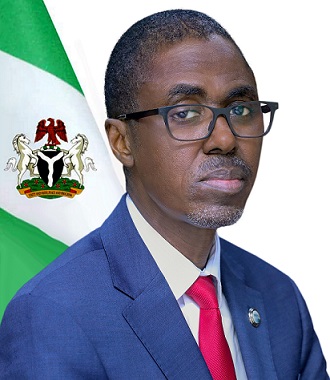
Former President Muhammadu Buhari was spot on when he appointed Bello Hassan as the Managing Director/Chief Executive of Nigerian Deposit Insurance Corporation (NDIC). Having previously headed two different banking supervision departments in the Central Bank of Nigeria and served on the Board of NDIC during the period, the appointment, for Hassan, was like home-coming. He knew the state of health of the banking system like the palm of his hands. Little wonder, when he assumed office as the boss of Nigeria’s banking system regulatory agency, he hit the ground running and has stayed on top of his game ever since.
With Hassan in charge of the affairs of NDIC, the agency has witnessed an unprecedented reshaping of its corporate template to achieve better policies and drive. Public confidence in the agency has been fully restored while the agency is operating at optimum capacity largely because of the professional and corporate atmosphere in place.
As the regulator of the Nigerian banking system, the agency, established by the Nigeria Deposit Insurance Corporation Act 2006, has responsibility for insuring all deposit liabilities of licensed banks and other financial institutions operating in Nigeria. It gives assistance to insured institutions in the interest of depositors, in case of imminent or actual financial difficulties of banks particularly where suspension of payments is threatened, and avoiding damage to public confidence in the banking system; NDIC guarantees payments to depositors, in case of imminent or actual suspension of payments by insured institutions up to the maximum as provided for in section 20 of the Act. The Corporation is also responsible for assisting monetary authorities in the formulation and implementation of policies so as to ensure sound banking practice and fair competition among insured institutions in the country.
The Corporation’s operations thus complement the efforts of the Central Bank of Nigeria to achieve a secure and stable banking system. It also supports the fiscal authority in maintaining stability within the broader financial system, serving as the foundation for economic growth and development.
When Hassan took over the helm at NDIC, he designed a roadmap, robustly outlined in the corporation’s 2021 – 2025 Strategic Plan, taking into consideration the current realities and future trends, as well as setting out targets and objectives to ensure that the agency fulfills its mandate by providing excellent and efficient services to its stakeholders across board. One of the corporation’s key achievements in that regard was the introduction of the Single Customer View (SCV) framework that has enhanced speedy payment of insured sums to depositors of closed banks. NDIC has enhanced collaboration with the bar and bench, leading to speedy prosecution and more informed judgements on failed banks cases, including resolution of long-drawn cases of closed banks such as Fortune and Triumph Banks in-liquidation. It equally put in place policy and framework for out-of-court settlement which has facilitated the resolution of some hitherto protracted failed bank litigations.
NDIC has also complimented the consumer protection efforts of the CBN by enhancing public awareness on deposit insurance and financial literacy to reduce the rate at which small depositors are being defrauded, thereby enhancing confidence in the banking system. NDIC under Hassan’s leadership has invigorated its liquidation activities, and greatly increased debt recovery rate leading to the declaration of 100 per cent liquidation dividends to uninsured depositors of over 20 deposit money banks in-liquidation as well as payments to other stakeholders such as creditors, ex-staff and shareholders. The corporation has also improved its system, processes and procedures to promote transparency and accountability in operations, amongst other achievements.
As a result of these milestones, NDIC has been accorded various special recognitions and awards by credible bodies and institutions. Some of them include: Overall Best Public Institution among 404 MDAs in the Independent Corrupt Practices and Other Related Offences Commission (ICPC) 2023 and 2021 Ethics and Integrity Compliance Scorecard (EICS); and the 2022 Platinum Award of the Bureau of Public Service Reform (BPSR) after the deployment of its Self-Assessment Tool (SAT) for excellence in service delivery
The regulatory agency also attained three International Organisation for Standardisation (ISO) Certifications of the MSECB, a leading international provider of Audit and Certification Services in 2023, namely: Information Security Management System ISO/IEC 27001:2013, IT Service Management System ISO/IEC 20000-1:2011, and Business Continuity Management System, ISO 22301.
The first ISO certification demonstrates NDIC’s approach to information security and privacy — explicitly proving the agency’s capability to identify and address the threats and opportunities around its valuable information and any related assets. This is quite significant given that, for NDIC to win public confidence as a watchdog, it has to prove its capability to protect itself from security breaches and shields it from disruption if and when they do happen. The
IT Service Management System ISO200001:2011 demonstrates the agency’s ability to efficiently deliver quality IT Service Management through a comprehensive process approach and maintains the standard over time. This is no easy feat given the susceptibility of the ever evolving digitized world to fraud and attacks by just about anybody with the requisite background.
The Business Continuity Management System ISO 22301:2012 certification highlights Hassan’s success in revolutionizing the business management template of the NDIC. it indicates that the corporation has practical framework for setting up and managing an effective business continuity management system, aiming to safeguard the organization from a wide range of potential threats and disruptions which enormities could only be imagined in an environment prone to disruptions.
The corporation also received two Nigeria Technology Awards (NITA) of Excellence in Adopting Emerging Technologies and Best Use of social media in the Federal Regulatory Agency Category
It’s to the credit of the Hassan that, in line with the recommendations of one of the Core Principles for Effective Deposit Insurance issued by the International Association of Deposit Insurers (IADI), NDIC has reviewed the adequacy of the maximum deposit insurance coverage in the event of liquidation of any insured institution.
In the area of service delivery, the NDIC was recognized for efficient service delivery by MacArthur foundation ahead of over 300 institutions covered in its survey of 2021.
The election of the Managing Director/Chief Executive of the Corporation unopposed onto the Council of the International Association of Deposit Insurers (IADI) as Vice-Chairperson in September, 2023 was an icing on NDIC’s cake.
The selection of Bello Hassan by the Top10 magazine as one of the regulatory agency leaders in Nigeria is in recognition of his outstanding achievements as the Managing Director of NDIC in the efficient delivery on its statutory mandate of regulatory initiatives and oversight, revenue generation and general contribution to the national economy.
ENGR. FAROUK AHMED – CEO, NMDPRA
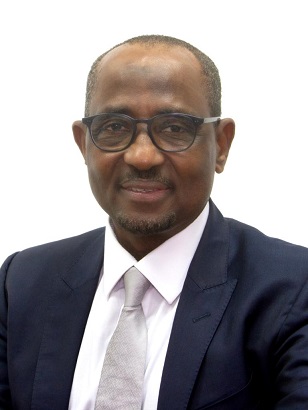
Engr. Farouk Ahmed is into his fourth year as the Chief Executive Officer of the Nigerian Midstream Downstream Petroleum Regulatory Authority (NMDPRA), yet the zeal with which he carries out that assignment at inception is nowhere near burning out. His consistent high output has been sustained by a combination of his professional expertise, industry experience, a flair for innovation as well as visionary, perceptive and result-oriented leadership.
To underscore the impact Engr. Ahmed’s leadership has had on the NMDPRA, Gbolahan Elias, a leading authority on Mergers and Acquisition, in an article titled, “A general introduction to Energy Mergers & Acquisitions in Nigeria”, noted of the agency:
“The…NMDPRA are aggressively churning out new regulations, guidelines and information circulars to operationalize several of the innovative provisions of the PIA. These regulations range from simple administrative matters to complex operational issues with significant impact on the oil and gas sector.”
The Nigerian Midstream and Downstream Petroleum Regulatory Authority was created in August 2021 in line with the Petroleum Industry Act 2021 which provides legal, governance, regulatory and fiscal framework for the Nigerian Petroleum Industry as well as development of host communities. NMDPRA emerged from the merger of three defunct regulatory agencies: Petroleum Products Pricing Regulatory Agency (PPPRA), Petroleum Equalization Fund {Management} Board (PEFMB), the Midstream and Downstream Divisions of the Department of Petroleum Resources (DPR).
Engr. Ahmed who became the Authority’s pioneer Chief Executive has established a progressive regulatory framework that encourages investment and full optimization of the midstream and downstream sector of the petroleum industry in Nigeria.
Since becoming the Chief Executive Officer, Ahmed has been leading NMDPRA to fulfill its mandate. In March 2023, NMDPRA unveiled six regulations that would govern the activities of the midstream and downstream sectors of the Nigerian petroleum industry. The six regulations address issues such as petroleum transportation and shipment, assignment or transfer of licenses and permits, gas pricing for domestic demand and delivery, natural gas pipeline tariffs, petroleum measurement and midstream and downstream petroleum operations.
Later in July, the agency announced the introduction of four new additional regulations aimed at addressing environmental and safety concerns in the midstream and downstream petroleum sector. The new regulations include the Midstream and Downstream Petroleum Environmental Regulation 2023, designed to ensure that environmental standards and practices are upheld across midstream and downstream petroleum operations.
Others are the Midstream and Downstream Petroleum Safety Regulation 2023, which prioritizes safety measures and procedures; Midstream and Downstream Decommissioning and Abandonment Regulation 2023, which outlines the requirements and procedures for the decommissioning and abandonment of petroleum facilities; and the Midstream and Downstream Environmental Remediation Fund Regulation 2023, which sets out the establishment and financial contribution of the Fund for operations.
The fund aims to provide resources for the cleanup, rehabilitation or management of negative environmental impact from petroleum operations nationwide. These regulations, according to the agency, will enhance value, create an enabling environment and deepen activities in the midstream and downstream sectors for the benefit of Nigerians.
In December 2023, the NMDPRA Authority Chief Executive (ACE) as he is officially known, assured the world that Nigeria can attract $575 billion in investments. Engr. Ahmed speaking through Dr. Mustapha Lamorde, Executive Director of Health, Safety and Environment Division of the agency at the United Nations (UN) Climate Change Conference (COP 28), said the plan is possible through the NMDPRA’S Industry Sustainability Initiative (ISI).
Whilst the ISI incubates, Engr. Ahmed and his team at NMDPRA are unlocking investments in gas by determining the appropriate tariff methodology and setting cost benchmarks for operations in the sector the agency regulates. Recently, the agency announced the establishment of the year 2024 Domestic Base Price and applicable wholesale price on natural gas for the strategic sectors.
This led to an increase in the price of natural gas for the strategic domestic sectors including power generation companies by 11 percent. The increased gas pricing is expected to spur gas suppliers to bring on-stream gas from higher cost fields. Without significant new gas development, the shortfall in gas supply by 2030 is expected to be as high as 3 BCF per day, worsening gas challenges for the power sector, and severely affecting facility utilization for commercial, GBI sectors, and export markets.
What has equipped Engr. Ahmed with the needed technical and administrative skills that helped him navigate the tortuous terrain of petroleum sector regulation is his rich professional background complement by his equally sound educational background.
A graduate of Southern Illinois University, Carbondale, USA, Ahmed obtained a Bachelor of Science Degree in Engineering Technology, with cumulative professional and career experience spanning over 34 years in the American technological space and in the Nigerian oil and gas industry.
He commenced his career as a Logic Board Verification Engineer at Apple Computer Incorporated, which was later changed to Apple Incorporated, in Dallas, Texas, USA.
He later returned to Nigeria to participate in the mandatory one-year National Youth Service Corps (NYSC) scheme. Thereafter, he joined the then Nigerian National Petroleum Corporation (NNPC), now Nigerian National Petroleum Company Limited (NNPCL), where he rose through the ranks to hold top management positions in the organization. Some of the positions Ahmed occupied in his over three decades career in the oil and gas industry include: Senior Crude Oil Trader, Duke Oil Incorporated; Manager, Crude Oil Export Programming and Nominations, Shipping and Terminals (Crude Oil Marketing Division-NNPC); Executive Director, Commercial, Petroleum Products Marketing Company (PPMC); Managing Director, NiDAS Marine Limited; Executive Secretary, Petroleum Products Pricing Regulatory Authority (PPPRA); Managing Director, PPMC; and Special Adviser (Downstream) to Group Managing Director (GMD), NNPC.
The NMDPRA boss was a member of the Governing Board of the Nigerian Shippers Council and has also been the MD/CEO, Hauwath Consulting Limited. Ahmed is a Member of the Nigerian Society of Engineers (NSE) as well as a Member of the Institute of Electrical and Electronics Engineers (IEEE-USA). He is also a registered member of the Council for the Regulation of Engineering in Nigeria (COREN).
The selection of Engr. Ahmed by the Top10 magazine as one of the regulatory agency leaders in Nigeria is in recognition of his outstanding achievements as the Authority Chief Executive (ACE) in the efficient delivery on its statutory mandate of regulatory initiatives and oversight, revenue generation and general contribution to the national economy.
Dr. DAYO MOBEREOLA – DG, NIMASA

The sky has been looking brighter by the day for the Nigerian maritime industry since the arrival of Dr. Dayo Mobereola as the Director General of the Nigerian Maritime Administration and Safety Agency (NIMASA) just over a year ago. His tenure has brought transformative changes, strategic reforms and innovative partnerships to NIMASA which are rubbing off positively on the maritime sector.
NIMASA is the regulatory authority for Nigeria’s maritime industry, established by the NIMASA Act of 2007. Its key responsibilities include ensuring maritime safety, protecting the marine environment from pollution, enforcing compliance with maritime laws, promoting local shipping, and supporting the training of maritime professionals, amongst other responsibilities.
Those who know the NIMASA boss’ antecedents would not be surprised at the new lease of life he is breathing into the agency and the maritime sector. He came to this position armed with a clear focus anchored on professional expertise and experience. When he assumed duties in March 2024, Dr. Mobereola said he would build a purpose-driven organization by prioritizing effective communication at all levels to enhance innovation, collaboration and synergy.
In his maiden address to management and staff, the DG made it clear that the agency under his leadership would prioritize safety, security, efficiency, environmental sustainability amongst others.
“We must strive to foster innovation and excellence in everything we do. The maritime industry is constantly evolving, driven by technological advancements, changing market dynamics, and evolving regulatory frameworks. As leaders in the sector, we must embrace innovation, adapt change, and continuously seek ways to enhance the efficiency, competitiveness, and resilience of our maritime operations.”
In just over 12 months, Mobereola has implemented decisive actions, transforming NIMASA’s trajectory and aligning its focus with President Bola Tinubu’s Renewed Hope Agenda to make the maritime sector one of the core drivers of the nation’s economy. His silent, yet effective, leadership style has yielded several notable achievements. He has successfully promoted Public-Private Partnerships (PPP) to drive maritime infrastructural development.
The NIMASA DG has consistently emphasized the importance of leveraging private sector investment to build a more resilient and competitive maritime industry. Under his administration, NIMASA has enhanced its cabotage enforcement, ensuring Nigerian-owned vessels benefit from coastal trade opportunities. His administration has also intensified monitoring efforts to ensure compliance with local content laws, thereby demonstrating a commitment to repositioning NIMASA as a key driver of Nigeria’s maritime economy.
NIMASA has strengthened collaborations with security agencies to curb illicit activities in Nigerian waters. A landmark initiative in this regard is the agency’s partnership with the National Drug Law Enforcement Agency (NDLEA) to combat drug trafficking. This collaboration has enhanced surveillance and intelligence-sharing mechanisms, significantly improved maritime security and ensured safer, more regulated waterways for legitimate trade and investment.
Mobereola has significantly elevated NIMASA’s international profile among maritime nations. Through the Minister of Marine and Blue Economy, he facilitated Tinubu’s signing of six International Maritime Organization (IMO) instruments of accession. This milestone has updated Nigeria’s record and rating with the global shipping body, aligning the country’s maritime governance with international standards.
Mobereola’s performance at NIMASA and impact on the maritime sector within one year did not go unnoticed by industry watchers. The agency received the SERVICOM Award for excellent service delivery for 2024 in recognition of its commitment to enhancing service standards, improving transparency, and ensuring efficiency in its operations.
The SERVICOM Award, typically given to government agencies that demonstrate outstanding public service, acknowledged NIMASA’s strides in providing quality services to the maritime industry, including the facilitation of maritime safety, regulation, and the promotion of Nigeria’s maritime sector.
Dr. Mobereola holds a Ph.D. and an M.Sc. in Transport Economics from the University of Wales, United Kingdom. He is a fellow of the Chartered Institute of Transport, England, and a fellow of the same institute in Nigeria. He was the Managing Director of Lagos Metropolitan Area Transport Authority (LAMATA) from 2003 to 2015 and the Commissioner for Transportation in Lagos State from 2015 to 2016.
The selection of Dr. Mobereola by the Top10 magazine as one of the regulatory agency leaders in Nigeria is in recognition of his outstanding achievements as the Director General of NIMASA in the efficient delivery on its statutory mandate of regulatory initiatives and oversight, revenue generation and general contribution to the national economy.
BAMANGA JADA – MD/CEO, OGFZA

The appointment of Bamanga Usman Jada as the Managing Director and Chief Executive Officer of the Oil and Gas Free Zones Authority (OGFZA) in October 2023, has heralded a new era of innovation, sustainability, and inclusive growth in the agency.
OGFZA is the national regulatory agency superintending over the operation of the oil and gas free trade zones in the country. It was established by Section 2 of the Oil and Gas Export Free Zone Act No. 8 of 1996 to regulate Nigeria’s Oil and Gas free trade zones. The Authority began operation in Onne, Rivers State in 2001.
On assumption of office two years ago, Jada rolled out a 7-point agenda designed to foster economic growth and development as well as job creation, focusing on Efficiency and Trust, Infrastructure Excellence, Regulatory Modernization, Local Content Empowerment, Sustainability and Resilience, Investor-focus and Welfare. This agenda aims to propel OGFZA and Nigeria at large into a new era of prosperity and opportunities. So far, Jada has exhibited exemplary foresight that is capable of rapidly bringing into reality the revitalization of the nation’s economy. Under Jada’s leadership, the Oil and Gas Free Zones Authority has witnessed notable achievements such as the establishment of new oil and gas Free Zones and attraction of investments. One of the new Free Zones is the Secured Bunkering Anchorage (SBA), Lagos. Established in 2023, SBA is the OGFZA initiative involving the declaration of a specific offshore location as an Oil and Gas Free Zone Safe Bunkering Anchorage (SBA) where ships of various sizes that transport crude, refined petroleum products, drilling and ancillary equipment/tools from various offshore project locations within the Gulf of Guinea and sub-Sahara Africa sub-region, can berth to replenish their fuel stock and carry out other STS transfer activities under Free Zone regulatory framework.
Another new free zone established by OGFZA under Jada’s leadership is the Orasi Special Energy Zone in Oguta Local Govt Area of Imo State. Declared open by President Tinubu in January 2024, it is the largest Oil and Gas Free Zone sitting on a parcel of land measuring over 140,000 hectares with a huge gas which cuts across Ohaji/Egbema and Oguta areas of Imo state. The Zone will operate as international gas centre for downstream investment in gas-based manufacturing and power sub-sectors of the Nigerian economy. It brings to eight the number of free zones under OGFZA regulation.
Under Jada’s leadership, OGFZA has attracted investment value of over $30bn and capable of securing 3 million jobs into the country through the Special Economic Zones. The Brass Oil and Gas Free Zone in Bayelsa, has secured a $3.6bn investment commitment through the Brass Fertilizer and Petrochemical Company. The proposed project, will include building a dedicated gas processing facility with a capacity to produce 340 million scuffs per day, 36km of 28 inches pipeline, a methanol plant, an SBA export jetty, a construction jetty, and a residential area. Between the commencement and completion of the project, over 20,000 jobs will be generated.
OGFZA’s newest Zone ORASHI Special Energy Free Zone in Imo State, houses the Egbema Power plant with the capacity to generate 112.8mw of electricity. This power hub is expected to generate $1,97billion annually in revenue for the Nigerian Government. Orashi Special Energy Free Zone has potential of attracting investment worth $8bn Foreign Direct Investment.
Recently, NESGAS Producing Nigeria Ltd, a gas producing company, launched a 50,000mt LPG storage facility worth $200m at the Onne/Ikpokiri Oil and Gas Free Zone in Rivers State. The LPG depot project has the capacity to generate over a million jobs. APM Terminals, Nigeria’s largest container terminal, has completed a state-of-the art project in Onne worth over $100m, which has the capacity of creating over 300,000 direct jobs. The Alternative Petroleum and Power Limited (APPL) is a green company which is bringing green/alternative fuel to mitigate carbon emission with an investment value of over €8bn.
APPL is also expected to export 520,000 MT/Y of Blue and Green Methanol; and 1,120,000 MT/Y of Green Ammonia in a span of four years. This investment will generate about 300,000 jobs directly and indirectly. Aligning with global trends towards sustainable energy solutions, this programme taps into Nigeria’s enormous natural gas reserves.
The Oil and Gas Free Zones (OGFZs) have attracted all major International Oil Companies (IOCs) which use the Free Zones as hubs for their business transactions covering the entire Gulf of Guinea up to Angola and South Africa.
The coming of these investments has also led to the transfer of skills and technology to the nation through manpower training and value-added technical processes, positioning Nigeria as the preferred investment destination in Africa.
A native of Adamawa State, Jada had his university education at the prestigious Federal University of Technology Yola, where he obtained a Diploma in Business Administration (2004) and a Bachelor’s Degree (B.Sc) in Economics (2008). His exceptional academic performance in the university earned him recognition and numerous accolades.
He proceeded to the University of Central Lancanshire, Preston United Kingdom, where he acquired a Master’s Degree (M.Sc) in Oil and Gas Operations Management (2013) as well as an MBA in Marketing, solidifying his expertise in the intricate economic dynamics of the energy sector.
Jada began his professional career with Ecobank PLC in 2009 where he developed acute corporate financial management skills. These attributes were of great benefit to the Energy Commission of Nigeria, where he served in the Finance, Projects and Procurement Departments, respectively, from 2010 to 2023. He took on another role as the Personal Assistant to the Director General/CEO of the Commission. He has also served as Personal Assistant to the Chairman of the Board of Directors at Kano Electricity Distribution Company (KEDCO); roles that further equipped him with hands on administrative know-how and leadership experience.
Jada is an affiliate of the Chartered Institute of Logistics and Transport, United Kingdom and a Fellow of the Chartered Institute of Diplomacy and Management, Nigeria.
The selection of Bamanga Jada by the Top10 magazine as one of the regulatory agency leaders in Nigeria is in recognition of his outstanding achievements as the Director General of OGFZA in the efficient delivery on its statutory mandate of regulatory initiatives and oversight, revenue generation and general contribution to the national economy.
DR. VINCENT ISEGBE – DG/COMPTROLLER-GENERAL, NAQS
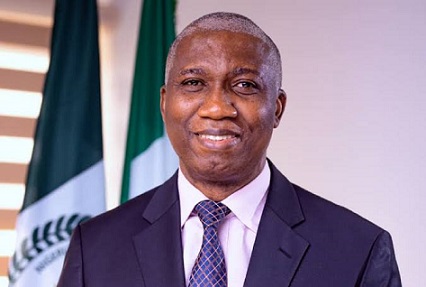
Only a few technocrats, if any, could be more acquainted with and better pilot the affairs of the Nigerian Agricultural Quarantine Service (NAQS) than its pioneer and incumbent Director General/Comptroller-General, Dr. Vincent Isegbe. He was the visioner whose recommendation led to the establishment of the agency in 2018.
Before his appointment as the pioneer DG/Comptroller-General of NAQS, Dr. Isegbe, a veterinary doctor, had worked for nearly a decade in the Federal Department of Livestock, Federal Ministry of Agriculture and Rural Development, where he rose to the position of Assistant Director before joining NAQS as a pioneer staff. He was, therefore, well equipped with professional expertise and experience for the job. These antecedents formed the foundation for his soaring success at NAQS where he is serving his second term at the helm.
NAQS is the Federal Government agency that promotes and regulates sanitary and phytosanitary measures with respect to the export and import of plants, veterinary and aquatic resources. The mandate of the Service is to ensure the conformance of Nigerian agricultural products to international standards –particularly, the requirements of the International Plant Protection Convention (IPPC) and the International Office of Epizootics –and to stimulate international trade in Nigerian agricultural products.
In his pioneering leadership of NAQS, Dr. Isegbe has led the agency to implement several key projects that have contributed significantly towards improving both production and exportation of agricultural commodities in the last six years. For instance, the agency introduced Biopesticide and integrated pest management programmes, the review of Biopesticide laws and regulations and the training of stakeholders on proper usage of Biopesticides. He has developed the Export Certification Value Chain for 30 premium commodities that are highly priced at the international market.
Other innovations include the breeding/ranching programme for sustainable donkey hide export in which over 120 dealers on donkey ranching were trained; the process of development of animal disease-free areas and farms; the development and improvement of ornamental fish seedlings for export trade; analysis of Mycotoxins and heavy metals contaminants in animal products for export to enhance the confidence of trading partners and importing countries; and the BBTV control programme to support farmers in the control and management of Banana Bunchy Top Disease virus.
NAQS under Dr. Isegbe also embarked on awareness and sensitization campaign activities, including jingles in mainstream and new media, printing of posters/pamphlets in English, Pidgin and other local languages to further spread and enhance awareness and activities of the agency.
The agency embarked on Nationwide zero-reject advocacy to reduce the number of commodities being rejected at borders/states when exported; fruits and vegetable inspection and certification programme to enhance officers’ capacity for conformity assessment for export; establishment of SPS protocol for ECOWAS, EU, UK, US and Asian markets to enhance exportability of Nigerian agricultural commodities; awareness programme on the quarantine perspective of good agricultural practices; Army worm management and control programme in maize, sorghum, millet, etc; inspection, monitoring and certification of fish farms, facilities, water bodies, etc, to enhance the exportability of Nigerian aquatic products; and analysis of drug residues in animal products for export to enhance the confidence of trading partners and importing countries. The launch of the EPhytosanitary certification portal has also eased trade and provide seamless service delivery.
Dr. Isegbe also led NAQS to consumate the protocol on the export of Shelled peanuts to the People’s Republic of China. It was signed on the sidelines of the Forum of China and African Cooperation (FOCAC) in Beijing China in August of 2024.
The CG NAQS has further facilitated the agreement on the export of wild aquatic products to be exported to China. The agreement is expected to be signed in July of 2025 with two other MoUs on sanitary and phytosanitary measures on the export of plants and animal products expected to be concluded in the later part of 2025.
Projects executed in the area of construction, works and procurements include the architectural design of the proposed 4-storey NAQS Headquarters complex building, staff quarters, clinic, recreational facilities and demonstration farms. The agency also equipped and renovated the Ibadan Training School conference hall with 100-seater state of-the-art auditorium and other facilities including the provision of 50KVA generators.
Other projects are the construction of two-storey laboratory building at Abuja and Lagos to facilitate the fulfillment of the agency’s mandate of inspection and certification; provision of Laboratory standards for Gas Chromatography at Ibadan Diagnostic Centre to enhance the research capabilities of the organization on methods to combat, control and prevent the spread of whitefly and other pests and disease incursions into Nigeria; office redesign and provision of sleek work stations and office equipment for efficient service delivery; and the construction of students hostels at the Ibadan Diagnostic Centre/Training School. These facilities were constructed to house officers of the quarantine service during training and other research functions.
Also executed were the construction of four units of one-bedroom building each at Idiroko, Calabar, Mfum and Imeko stations to provide office accommodation for quarantine operations at the various Control Posts; fencing of Illela, Lokoja, Maigatari, Makurdi and Idiroko Control Posts and construction of gate houses to further secure the assets of the agency; purchase of 24 Hilux vehicles and 10 Toyota Corolla vehicles for operational purposes at the zonal commands and headquarters; provision of equipment for linking NAQS with Nigeria Customs integrated information system to enhance trade facilitation activities and to support the ease of doing business programme of the government; provision of microchips for electronic identification of animals at ports and borders as well as the calibration instrumentation and training of officers.
Dr. Isegbe also equipped NAQS laboratory in Lagos and trained laboratory personnel in pursuit of ISO 17025 certification; developed and equipped Veterinary Quarantine stations at Illela and Makurdi to ensure effective and efficient sanitary inspection of animal and animal products at the inter-state control posts; and renovated Green/Screen houses in Ibadan Diagnostic Centre to meet the modern day demands of scientific accuracy and research precision.
The NAQS DG also embarked on massive staff development, involving the training of quarantine officers on AfCFTA and other export trade policy matters at the Trade Policy Training Centre in Africa (TRAPCA), Arusha, Tanzania; training of officers on laboratory management procedures in UK; and the training and retraining of officers on global SPS standards in Geneva.
He also ensured that IPPC/OIC/CODEX Meetings/Trade facilitation trainings were carried out to promote trade facilitation activities with trading partners and organizations; officers were involved in Cochran Fellowship training in the USA; NAQS officers were sent to the trade promotion programme for developing countries in Beijing China; and officers were sponsored for scholarship in postgraduate programme in University of Tsukuba, Japan and Kangwon National University South Korea.
Other activities of NAQS under Dr. Isegbe’s leadership are: the migration of staff from federal civil service commission to the NAOS paramilitary structure; engendering of the first NAQS promotion/Rank adjustment of 27 mid-level to senior officers; brokering of Phytosanitary protocol with the Chinese government for the establishment of sorghum farms for the export of sorghum to China; and the signing of a work plan with Mexico, sealing a deal for the export of millions of dollars’ worth of hibiscus export to Mexico and the Americas.
NAQS, under Dr. Isegbe’s leadership, hosted the World Congress of Regional Plant Protection Officers in Nigeria at Sheraton Hotel and Towers, Abuja, in 2019. It was the first by a National Plant Protection Organization (NAQS) in Africa.
As the Chief Executive Officer of NAQS, Dr. Isegbe has been churning out policies and programmes that make the Service stand out in the comity of sister agencies and international counterparts. He surely knows how to dig out the hidden treasures in NAQS’ human and material resources in such a way that it remains the agency to beat. He introduced the Service’s Annual Summit and Management Retreat where issues aimed at seeking better ways for effective and efficient service delivery in the agricultural value chain are discussed. The fourth edition took place in 2023.
In acknowledgement of these accomplishments, NAQS has been carting home awards and receiving accolades from within and outside Nigeria. It won the “Most Innovative Government Agency” award, by BusinessDay Media Ltd, for several crop surveys, the conduct of Pest Risk Analysis, amongst others; won 2nd position award for Outstanding Contributions to Nigeria’s Agricultural sector by National Agriculture Foundation of Nigeria during the World Food Day 2019 Agric Show; won the PEBEC 2018 Award-Most Improved Agency, second position on Transparency and Efficiency; and was voted the Most Improved Agency in the 5TH PEBEC Award, April 2023. In the first years of the Comptroller General’s second term in office, he led NAQS to secure the esteemed and prestigious award of most efficient and transparent agency of government in the 2024 Regulatory Reform Assessment regime of the Presidential Enabling Business Environment Council been the first government MDA to attain 100% accumulation of scores in the history of Nigeria.
Dr. Isegbe earned his Doctor of Veterinary Medicine degree at Ahmadu Bello University, Zaria, in 1985 and his Master’s degree at the University of Maiduguri in 1994. He also obtained an MBA in International Agribusiness and Food Chain Management from Lead City University in 2020 and has also undergone several trainings and courses within Nigeria and overseas. He is currently awaiting the defence of his thesis on Sustainable Farm Management, precision agriculture and impact yielding agricultural innovation that would set Nigeria on the pedestal of Agricultural growth, expansion and generation of revenue for the teaming young population of Nigerians who are depending on the agency for digital technology and jet age ideologies that would make agriculture attractive, a drive that is in complete alignment with the renewed hope agenda of President Bola Ahmed Tinubu.
Upon joining NAQS, Dr. Isegbe became the Head of Collaboration, Planning and Partnership division and subsequently, the Head of Animal Quarantine Department; a position which he held until he attained the position of the Coordinating Director in 2015. During his term as Coordinating Director, Dr. Isegbe conceived and launched the Export Improvement Initiative, a backward integration intervention designed to increase the volume of export in customary Nigerian agricultural commodities and emerging commodities such as sesame, soya bean, cinnamon, pigeon pea, sugar cane, honey and snail. As part of the Initiative, Nigeria exported 1,983 containers of hibiscus (zobo) flower to Mexico within the first nine months of 2017 and earned US$35 million as a result. Dr. Isegbe’s agro export drive led to the presentation of the NAQS Establishment Bill and the eventual assent by President Buhari on the 26th of January, 2018.
Dr. Isegbe is a member of the Nigeria Veterinary Medical Association. He once served as the Sectary General of the Yobe State chapter of the association. Dr. Isegbe once sat on the Board of Rubber Research Institute of Nigeria, Benin City. He had previously served as a member of the Board of Nigeria Environmental Standard Regulatory Enforcement Agency (NESREA) between 2015 and 2016.
The Director General has attended over 60 seminars, workshops and courses within and outside Nigeria. He is a perceptive thinker and an accomplished author. He has published several critically acclaimed articles in newspapers and papers in scientific journals on animal health, food safety and quarantine issues. He has written two books illuminating the complex and perplexing matters of rape and retirement titled Rape: The Horror, The Pains, The Management and Planning for Retirement in a Developing Economy, awaiting publication.
The selection of Dr. Isegbe by the Top10 magazine as one of the regulatory agency leaders in Nigeria is in recognition of his outstanding achievements as the Director General of NAQS in the efficient delivery on its statutory mandate of regulatory initiatives and oversight, revenue generation and general contribution to the national economy.
MR. AKUTAH PIUS UKEYIMA – ES/CEO, NSC
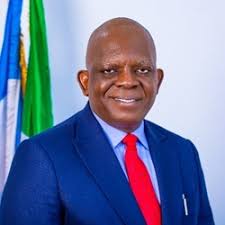
Mr. Pius Ukeyima Akutah has demonstrated that he is a perfect fit for the leadership of Nigerian Shippers’ Council (NSC). Since his appointment as the Executive Secretary/CEO in 2023, he has deployed a benign blend of vision, focus and his legal background to usher a new dawn into Nigeria’s shipping business. He has used it to great effect in the execution of NSC’s mandate as the regulatory agency of the Nigerian shipping industry.
The statutory functions of Nigerian Shippers’ Council, among many others, are: to provide a forum for the protection of the interest of shippers on matters affecting the shipment of imports and exports to and from Nigeria; to encourage the formation of Shippers’ Associations all over the country; to provide a forum for consultation between the conference and non- conference lines, tramp-owners, the Nigerian Ports Authority and the Government of the Federation on matters of common interest; and to negotiate and enter into agreements with Conference Lines and non-Conference Lines, ship-owners, the Nigerian Ports Authority and any other bodies on matters affecting the interests of shippers.
In less than two years of his leadership, Akutah has taken the Council to a new level and repositioned it for a more effective discharge of its functions and better performance by the country’s shipping business. Many of the milestones attained by the council during this period attest to this. One of them is the signing of the Agreement on the Minimum Standards of Conditions of Service for Workers in the Shipping Industry. NSC, under the supervision of the Federal Ministry of Marine and Blue Economy (FMM&BE) facilitated the signing of the agreement which establishes standard minimum conditions of service in the shipping industry. The agreement was reached between the Maritime Workers Union of Nigeria (MWUN) and the Shipping Agencies, Clearing and Forwarding Employers Association (SACFEA) on 26th August 2024 at Eko Hotel, Lagos.
Another one is the launching of Operational Manuals for Inland Dry Ports (IDPs) at various locations across the country, including Kano, Lagos and Port Harcourt. The manual which was presented to stakeholders captures the step-by-step procedures for receiving, storing, handling and delivery of cargoes. It also highlights the operational processes, the responsibilities of various agencies and timelines for discharging their duties.
The Nigerian Shippers Council also launched an online portal for registration of regulated port service providers and users at various locations across the country, including Rivers and Cross River states. The initiative aims to eradicate faceless shippers operating at the port and ensure a seamless business platform for all stakeholders.
The Council under Mr. Akutah has also automated NSC registration by developing and implementating an online portal for the registration of regulated port service providers and users. It enabled the Council to replace the manual registration exercise which was inefficient with very low compliance level with a 100% fully automated system. After launching the online portal in January 2024, the compliance level increased dramatically as service providers and users now apply to register, upload required documents, pay applicable fees and receive their certificates from the comfort of their offices, without any physical interface with staff of the Council.
The Council initiated and developed a Stakeholders Mobile App which is a one-stop shop for shipping and ports information to assist exporters and importers as well as other stakeholders with information and guidance with respect to their shipping activities.
Under Akutah’s leadership, NSC has accelerated the promotion of Inland Dry Ports (IDPs) in the country. For instance, the Funtua Inland Dry Port was commissioned on 9th May, 2024, by the Minister of Marine and Blue Economy, an event that was attended by the Secretary to the Federal Government of the Federation, Senator Dr. George Akume; Zamfara State Governor, Dauda Lawal; and other dignateries. The impact of tariff negotiations and savings from incessant cargo stoppage and promotion of IDPs projects on the conomy is valued at N167 billion
Also, under Mr. Akutah, the Council successfully hosted the 17th International Maritime Seminar for Judges in July 2024 in Abuja, an event which provided a veritable platform for discussions and sharing of knowledge on recent legal developments in shipping and admiralty law by judicial officers and international resource persons from within and outside the continent.
Mr. Akutah was born on June 7, 1970 in Ushongo Local Government area of Benue State. He holds a Masters degree in Public International Law from Ahmadu Bello University, Zaria, and a Bachelor of Law degree (LLB) from the University of Abuja, Gwagwalada.
Before his appointment as the ES/CEO of Nigerian Shippers Council on October 25, 2023, Mr. Akutah was the Head of Central Authority Unit, International Cooperation Department, in the Office of the Attorney-General of the Federation and Minister of Justice.
He taught International Cooperation in Criminal Matters in many countries under the auspices of the United Nations and the Commonwealth office in London and developed that aspect of law in Nigeria to what it is today. He has written highly regarded legal opinions on the use of United Nations Treaties, and handled the preparation, vetting, and negotiation of Bilateral Agreements between Nigeria and other countries on Mutual Legal Assistance and Extradition.
Mr. Akutah has received several awards, including the National Honours Award, Member of the Order of the Niger (MON), in 2023. He also received the Presidential Civil Service Merit Award (PCSMA) from President Muhammadu Buhari in 2017. President Faure Gnassingbe of Togo, presented him with the Presidential Merit Award of Excellent Service for contributions in the drafting and presentation of the African Charter for Maritime Safety and Security.
He is an Alumnus of the United States Department of State’s International Visitor Leadership Programme (IVLP), a chartered Mobile and Computer Forensics Examiner and United States International Law Enforcement Academy (ILEA). He is currently pursuing a Ph.D. in International Cooperation in Criminal Matters at the Nassarawa State University, Keffi.
The selection of Mr. Akutah by the Top10 magazine as one of the regulatory agency leaders in Nigeria is in recognition of his outstanding achievements as the Executive Secretary/CEO of Nigerian Shippers’ Council (NSC) in the efficient delivery on its statutory mandate of regulatory initiatives and oversight, revenue generation and general contribution to the national economy.
ENGR. FAROUK AHMED UMAR – MD/CEO, NAMA
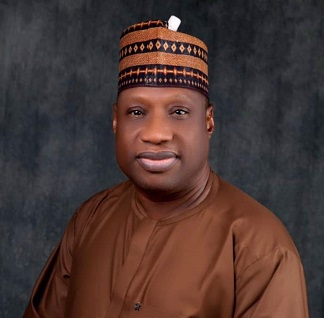
It is rare for labour unions to applaud their employers. Their relationship is usually cat-and-mouse, precipitated by issues of welfare and work conditions. This is especially so in large organizations with different professional staff unions. The only exceptions occur where and when an organization performs beyond the expectations of its workers.
The Nigerian Airspace Management Agency (NAMA) is one such example. In a rare acknowledgement of the outstanding leadership of Engr. Farouk Ahmed Umar, the Managing Director/CEO of NAMA, all the professional staff unions in the agency were recently effusive with encomiums for him for the massive transformation he had brought to the agency in just one year in office.
NAMA which was established by the Federal Government in 1999 is responsible for the provision of air navigation services throughout the Nigerian Flight Information Region. Based at the Murtala Muhammed Airport, Lagos, the agency provides air traffic control, air navigation, charting and consulting services. NAMA is also charged with responsibility for developing Nigeria’s airspace infrastructure to a level consistent with the requirements of ICAO Standards and Recommended Practices (SARPs).
So, what did Engr. Umar do differently to earn the praises of the staff unions in NAMA? First, the MD/CEO has brought confidence to the aviation industry occasioned by a remarkable reduction in Air Safety Reports. He achieved this through strict adherence to ICAO Standards and Recommended Practices, showcasing enhanced operational safety and efficiency.
On infrastructure development, Engr. Umar has refurbished control towers in seven major airports, including Owerri, Sokoto and Ibadan, with plans underway to extend the effort to six more airports. Under Umar also, NAMA has succeeded in upgrading to solar-powered systems, reducing operational costs and ensuring reliable energy supply to critical facilities.
To enhance the safety and security of the nation’s airspace, the agency has embarked on the upgrade of its surveillance infrastructure across the nation’s airports and other remote installations across the country. In recognition of the value added by Engr. Umar, the International Organization for Standardization (ISO) recently approved the elevation of NAMA to its certification category of ISO 9001:2015. The agency attained the certification after undergoing a strenuous certification audit by representatives of ISO.
The MD/CEO has also encouraged capacity building by investing in local and international training programmes for air traffic controllers, engineers, and other personnel to align with global best practices. He has equally done well in staff welfare by clearing outstanding allowances and implementing measures to ensure timely payment of staff dues and entitlements.
Commending on the achievements of Farouk in just one year in office, Presidents of professional associations in NAMA said at a recent function that workers of the agency were now being carried along with the pace of development. The President of the Aeronautical Information Management Association of Nigeria (AIMAN), Dr. Ibrahim Audu, said the achievement of the ISO 9001of 2015 certification of NAMA was one of the greatest things that had ever happened to the agency with tremendous significance in the industry. Similarly, the President of National Association of Air Traffic Engineers (NAAE) Engr. Selzing Miri, commended the NAMA boss for his satisfactory handling of workers welfare. Citing the area of training, Miri said that NAMA would be the envy of other organizations should the MD continue the way he has piloted the affairs of the organization.
On his part, the president of National Association of Air Traffic Communicators of Nigeria (NACAN), Alhaji Mohammed Sani, said that for the first time in the history of NAMA, three courses for communications department were going on in the college of Aviation in Zaria.
Engr. Umar who hails from Birnin-Kebbi, Kebbi State, attended the Sokoto State Polytechnic, Sokoto, from where he earned a National Diploma and Higher National Diploma in 1985 and 1988 respectively. He later attended Federal University of Technology, Minna, where he obtained a Bachelor’s degree in Mechanical Engineering. He bagged two Masters degrees in Business Administration and International Affairs and Diplomacy from the Lagos State University (LASU) and Ahmadu Bello University, Zaria, respectively.
Umar joined NAMA in 2002 as a Chief Engineer. Since then, he has held several managerial and strategic positions in the agency such as Airspace Manager, Minna Airport; General Manager, Procurement and General Manager, Special Projects, Kano Region. He was appointed Executive Director, of Safety Electronics and Engineering in 2016.
Umar who is a member of many professional organizations, was conferred with the prestigious honour of National Productivity Order of Merit Award (NPOM) by former President Muhammadu Buhari. The selection of Engr. Umar by the Top10 magazine as one of the regulatory agency leaders in Nigeria is in recognition of his outstanding achievements as the Managing Director/CEO of NAMA in the efficient delivery on its statutory mandate and general contribution to the national economy.