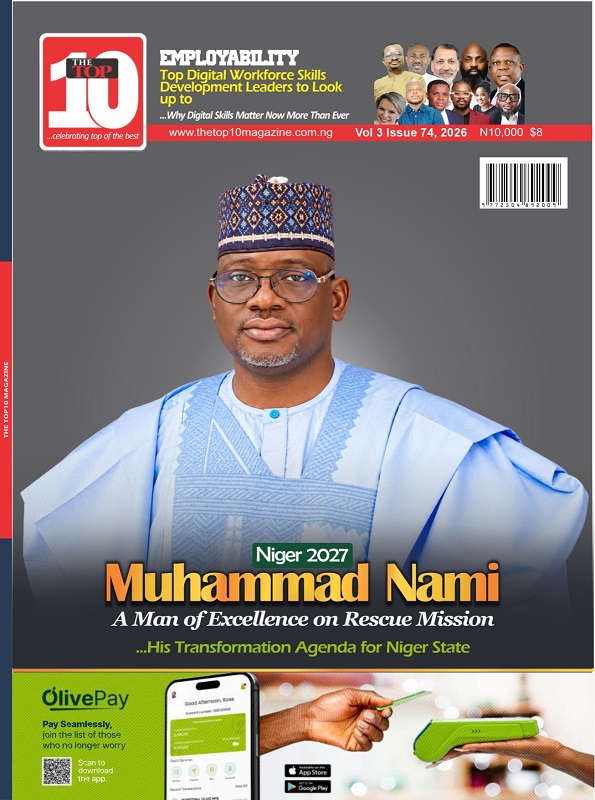
…His Transformation Agenda for Niger State
By Tony Iji
For more than three decades, Muhammad Mamman Nami has built a professional reputation around numbers, systems, institutional reform and public-sector management. From his early career in professional accounting and tax consultancy to the pinnacle of Nigeria’s tax administration as Executive Chairman of the Federal Inland Revenue Service (FIRS), now, Nigeria Revenue Service (NRS), his career has been defined largely by a technocratic approach to solving complex institutional problems.
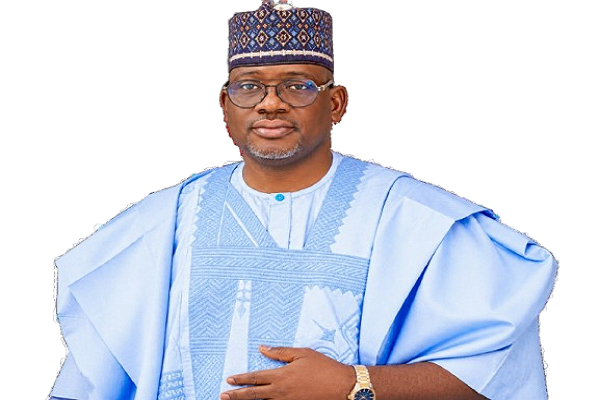
Now, as Niger State approaches another decisive political moment ahead of the 2027 general elections, Nami is seeking to translate that experience into a different arena: executive governance at the state level. His emergence as the Peoples Democratic Party (PDP) candidate for the 2027 Niger State governorship election has brought a familiar figure from Nigeria’s public-finance establishment into the centre of the state’s political contest. The PDP adopted Nami after other aspirants stepped down in his favour.
For Nami, however, the journey to the governorship was not the original destination. It began with an ambition for the Senate. And, in his own account, it was his experience of travelling across Niger State, listening to communities and reflecting on the scale of the state’s challenges that convinced him that the problems confronting Niger state required a broader executive response.
“A legislative role offers an important platform, but the transformative blueprint our state desperately requires demands executive resolve, fiscal prudence, and hands-on administrative oversight.”
That statement captures the central argument behind the Nami 2027 project: that the man who spent years managing Nigeria’s revenue architecture now wants to apply his experience in finance, administration, technology and institutional reform to the governance of Niger State.
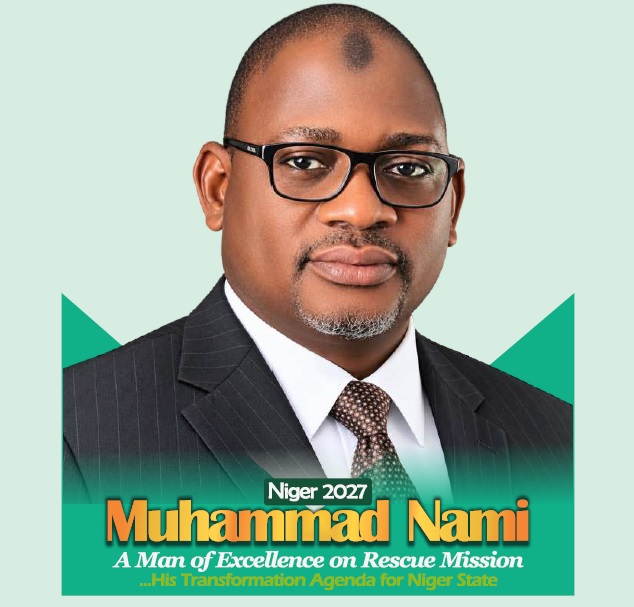
THE MAN BEHIND THE POLITICAL PROJECT
Muhammad Mamman Nami was born in 1968 in Nami village, Agaie Local Government Area of Niger State. His early education included Jipo LEA Primary School and Government Secondary School, Suleja.
He subsequently attended Bayero University, Kano, where he obtained a bachelor’s degree in Sociology in 1991, before earning a Master’s degree in Business Administration from Ahmadu Bello University, Zaria.

His professional credentials span taxation, accounting, management and financial services. He is a Fellow of the Chartered Institute of Taxation of Nigeria and holds professional affiliations with several accounting, management and financial institutions. But perhaps more significant than the qualifications is the professional journey behind them.
Nami began his career with PKF International in 1993, rising to become a Senior Consultant responsible for tax management and advisory services. He subsequently worked with KEL Group of Companies and also served as a board member of Mainstream Energy Solutions, one of the leading GenCos in West Africa, he established Manam Professional Services, a tax and business advisory firm with offices in Kaduna, Abuja and Niger State. That private-sector experience would later become an important part of his public-service identity.
FROM TAX PROFESSIONAL TO NATIONAL PUBLIC SERVANT
Before his appointment as FIRS chairman, Nami had already developed considerable experience in public-sector financial management. In 2017, he was appointed to the Presidential Committee on Audit of Recovered Stolen Assets. The committee was charged with tracing and recovering Nigeria’s looted assets.
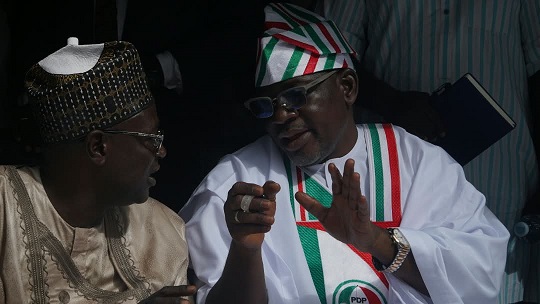
In December 2019, he became Executive Chairman of FIRS. The appointment marked the beginning of the most prominent phase of his public career. He inherited an institution facing a number of operational challenges, weak administrative structures, manual processes, labour-management tensions, funding constraints and low staff morale. His response was a broad institutional reform programme. It focused on administrative restructuring, automation, customer orientation and data-driven tax administration. Among the most visible initiatives was TaxPro-Max, the digital platform developed and deployed to automate important elements of tax administration. The TaxPro-Max serves as the foundation for any subsequent reforms.
THE FIRS RECORD: THE EXPERIENCE NAMI TAKES INTO POLITICS
The most important asset Nami brings to the political arena is arguably not his political history but his record as an administrator. During his FIRS tenure, the agency recorded major increases in tax collections. Records showed collections of ₦6.405 trillion in 2021 and ₦10.1 trillion in 2022, alongside significant growth in the non-oil tax contribution. The same record notes that Nami’s administration pursued a target of increasing Nigeria’s tax-to-GDP ratio from approximately 6 per cent and says the ratio reached 10.86 per cent by the end of 2021. FIRS also expanded its use of automation, data analysis and industry-based tax administration during the period. The tax revenue collection increment to over 12 trillion naira in less than three years is monumental, setting the pace for subsequent increments.
An FIRS publication examining TaxPro-Max reported that ₦21.4 trillion in tax revenue was collected during 2020–2022 after the platform’s deployment, while also recording the view of surveyed FIRS personnel that the system had positively affected revenue generation.
These figures matter politically because they provide the foundation for one of Nami’s central arguments: that the experience of managing a large federal revenue institution can be adapted to improving the finances and administration of a state.
RECOGNITION FOR PUBLIC-SERVICE REFORMS
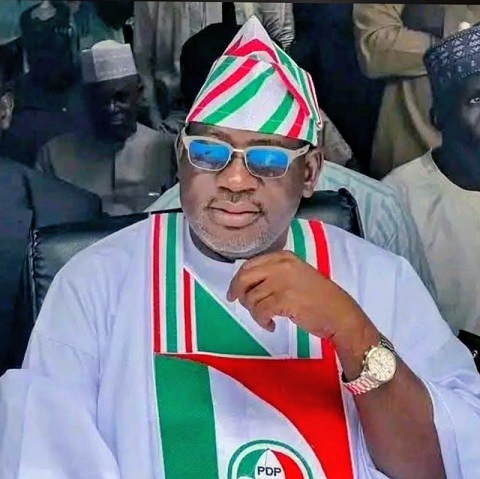
Nami’s public-service career has also attracted professional and national recognitions. Among the honours listed in the supplied materials is the Nigeria Excellence in Public Service Award for Fiscal Reforms, presented by President Muhammadu Buhari. The award citation attributed the recognition to reforms that strengthened revenue collection and modernised the FIRS.
Other recognitions earned by Nami include an ICAN Merit Award, BusinessDay Excellence in Public Service Award, LEADERSHIP Public Servant of the Year Award, The Top10 Magazine Man of the Year, 2023 Award and other professional and institutional honours.
For Nami’s political narrative, these awards serve a particular purpose: they provide evidence of a career in which performance, institutional reform and public finance have been central themes.
FROM THE SENATE TO THE GOVERNOR’S LODGE
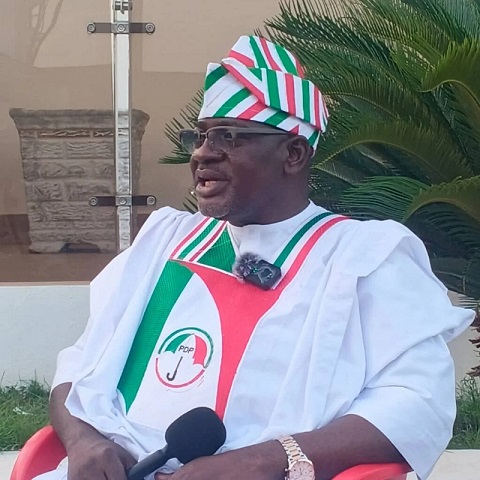
Nami’s entry into partisan politics did not initially begin with a governorship ambition. His first stated objective was to seek election to the Senate, representing Niger South Senatorial District. He initially pursued the senatorial route but later reassessed that ambition after what he described as administrative and political developments within the party, combined with consultations with people across the state. The turning point came amid controversy surrounding the APC’s Niger South senatorial primary process.
Nami and other aspirants reportedly challenged the outcome and subsequently moved away from the APC. His own account was that they had warned that if the perceived wrongs associated with the process were not corrected, one of them would contest the governorship. That warning eventually became reality.
Nami moved to the PDP and emerged as its governorship candidate after another aspirant, Architect Abubakar Suleiman, stepped aside. The Niger PDP leadership confirmed his adoption as the party’s candidate in August 2026. The political transition therefore represents a significant shift: from an intended legislative role to a bid for executive control of the state.
WHY THE GOVERNORSHIP?
The answer, according to Nami’s own explanation, lies in the scale of the problems confronting Niger State. He argues that the state’s agricultural potential, infrastructure needs and security challenges cut across the three senatorial zones and therefore require a coordinated executive response. His proposition is that the governor’s office provides the institutional platform necessary to pursue such a comprehensive programme.
His words are revealing: “Our state deserves a governance model built on those exact principles” integrity, efficiency, transparency and care. This is the foundation of the Nami political proposition. Not simply a politician promising to govern, but a technocrat arguing that the principles he applied in tax administration can be transferred to public administration.
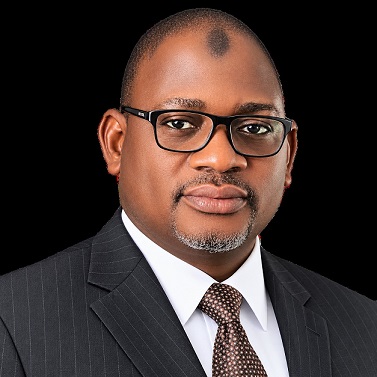
THE NAMI AGENDA: FROM REVENUE TO DEVELOPMENT
The emerging Nami agenda revolves around several interconnected themes.
1. Financial discipline
Perhaps the most obvious plank is fiscal management. Nami proposes growing Niger’s internally generated revenue without relying recklessly on borrowing. His professional background gives him a particular perspective on the importance of closing leakages, improving revenue administration and ensuring that public resources are deployed efficiently. The argument is straightforward: a state cannot sustainably develop if its finances remain weak.
2. Agriculture as an economic engine
Niger State possesses one of the largest land areas among Nigeria’s states and has considerable agricultural potential. Nami’s agenda identifies agriculture as one of the principal engines through which the state can achieve food security, create jobs and stimulate industrialisation. The emphasis is not simply on announcing agricultural projects but on developing productive value chains capable of generating economic activity.
3. Industrialisation
Closely connected to agriculture is the proposed industrialisation agenda. The objective is to move beyond raw agricultural production toward processing, value addition and commercial opportunities. That would potentially create a chain linking farmers, processors, traders, transporters and consumers.
4. Human capital
Education, healthcare and youth development form another pillar of the proposed agenda. The Nami vision identifies timely payment of salaries, improved public schools and hospitals, and empowerment of young people and women as priorities. For Nami, development is therefore not exclusively about roads and buildings. It is also about investing in the people who constitute the state’s most important resource.
5. Security
Security remains fundamental to any development agenda in Niger State. The Nami agenda identify security, particularly the protection of farming communities, as a major priority. The logic is that agriculture cannot flourish where farmers cannot safely access their farms, while commerce and investment also require a stable environment.
6. Infrastructure
Roads and basic infrastructure across the state’s three senatorial zones are also central to the agenda. The objective is to create an environment in which communities can connect to markets, schools, healthcare facilities and economic opportunities.
7. Plans for Water Shortage Interventions
Muhammad Nami, who is the founder of the Niger South Foundation has good plans of addressing water shortages in Niger State through a massive community intervention and borehole drilling through his philanthropic platform Team Nami. The Niger South Foundation is drilling 16 motorized boreholes in each of the 8 local government areas (LGAs) making up the Niger South Senatorial District (Zone A), totaling 128 boreholes. The plans include specific allocations for solar-powered boreholes to serve central mosques and their surrounding communities in the LGAs. It is expected that these initiatives will be expanded to cover other parts of the state.
8. Financial Probe and Asset Recovery
One of Nami’s target is to institute a comprehensive investigation into the administration of Governor Umaru Bago with the view to recovering state funds and assets allegedly acquired through public resources. He promised that he will prioritize financial discipline, institutional accountability and fiscal transparency. Nami alleged that substantial public revenues had been diverted into private property acquisitions across international and domestic locations such as Dubai, Brazil, Lagos, Abuja, etc.
He promised that if elected, his administration will thoroughly investigate all alleged financial misconduct and pursue the full recovery of state resources and properties acquired through public funds and inject funds recovered into the development of the state. He promised that if elected, anti-corruption reforms and fiscal governance will be core of his policy agenda for Niger state.
“PEOPLE FIRST, PROGRESS ALWAYS”
The emerging political philosophy associated with Nami’s campaign places citizens at the centre of governance. His campaign messaging identifies the farmer, teacher, student, graduate, mother and young entrepreneur as the ultimate beneficiaries of government.
The stated priorities include:
- Quality education
- Accessible healthcare
- Modern agriculture
- Youth employment and empowerment
- Better roads and infrastructure
- Transparent government
- Accountable public administration
The campaign’s underlying message is that Niger State does not lack resources; what is required is a governance system capable of converting those resources into broad-based development.
WHAT NAMI BRINGS TO THE TABLE
The most distinctive element of Nami’s candidacy is his professional profile. He is entering the governorship contest after serving at the top of one of Nigeria’s most important federal revenue institutions. That experience potentially gives his campaign several identifiable assets.
Administrative experience
Nami has managed a large federal institution and overseen organisational restructuring.
Public-finance knowledge
Taxation, revenue mobilisation and fiscal management have been at the centre of his professional life.
Technology-driven administration
His FIRS record includes the deployment of digital systems such as TaxPro-Max and greater use of data in tax administration.
Private-sector experience
Before entering top-level government service, he spent decades working in professional services, accounting, taxation and business advisory.
National exposure
His work at FIRS and in national and international tax-administration bodies gave him exposure beyond Niger State. The political question now is how effectively these technocratic credentials can be translated into grassroots political organisation and executive governance at state level.
THE POLITICAL ODDS: FACTORS WORKING IN HIS FAVOUR
Rather than predicting the outcome of the 2027 election, several identifiable factors may shape Nami’s candidacy.
First is his professional record. His years in taxation and public administration provide a clear identity around competence and fiscal management.
Second is his national profile. His tenure as FIRS chairman gives him visibility beyond Niger State.
Third is the PDP’s decision to consolidate behind him. The party said other aspirants stepped down and supported his candidacy, giving him a unified starting point within the party.
Fourth is his familiarity with Niger State. Available information traced his roots in Agaie and his grassroots connections, particularly in Niger South.
Fifth is PDP’s historical presence in the state. The party governed Niger State from 1999 to 2015 before the APC took control. That history provides an established political base, although the party has been out of power for more than a decade.
The Sixth factor in favour of Nami’s candidature is the people of Niger state who are clamouring for him as the next governor of the state. Available information shows that apart from the Peoples Democratic Party (PDP), there are various grassroots groups in Niger State pushing for Nami as the next governor of the state. Many residents and online groups in Niger State have launched campaigns stating “Nami is coming,” pointing to his popularity in the state as a result of his past work at the FIRS.
These are some of the factors that stands in his favour as one of the leading governor candidates in next year’s governorship election in Niger state.
A NEW CHAPTER FOR THE TECHNOCRAT
Muhammad Nami’s political journey has now entered a new phase. The accountant and tax professional who spent decades dealing with balance sheets, revenue systems and institutional reform is asking voters to entrust him with something considerably larger: the economic and administrative future of an entire state.
His proposition is built around a simple philosophy better management of resources, stronger institutions, investment in people, improved security and the conversion of Niger’s enormous land and human resources into sustainable prosperity. Whether that proposition ultimately translates into electoral success will be determined by the voters of Niger State in 2027. But one thing is already clear: Muhammad Nami’s emergence has introduced a distinctly technocratic profile into the state’s governorship contest.
His challenge now is to demonstrate that the qualities that made him effective in the world of taxation discipline, data, reform, financial prudence and institutional management can work equally effectively in the more complicated terrain of democratic governance. For a state searching for ways to transform its enormous natural and human potential into measurable development, that is the central question surrounding the Nami 2027 project.